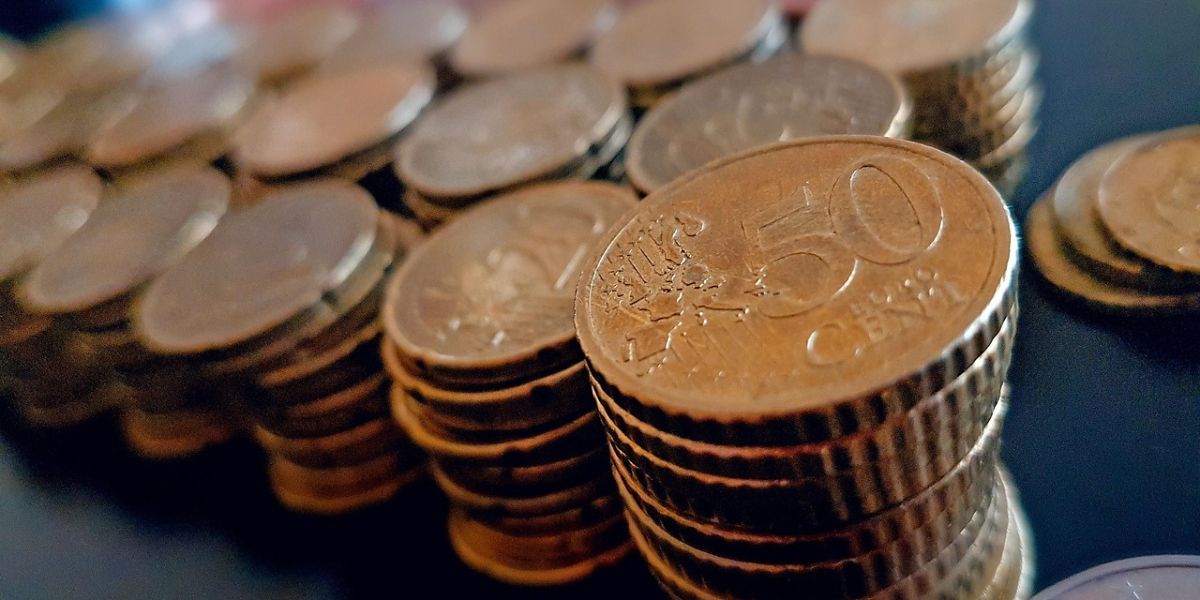
50 Cent Pieces Worth Money: Rare Coins That Could Be Valuable
December 2, 2025

Many people have a jar of old coins lying around, and sometimes, you might wonder if any of them are actually worth something. When it comes to 50 cent pieces, there are definitely some that stand out to collectors. It’s not just about the face value; certain years, mint marks, or even small mistakes can turn a common coin into something quite special. This article will help you figure out which 50 cent pieces worth money and what makes them so sought after.
So, you’ve got a pile of 50 cent pieces, and you’re wondering if any of them are actually worth more than just, well, 50 cents. It’s a fair question! Not all coins are created equal, and a few key things make certain 50 cent pieces really catch a collector’s eye.
Think about it like collecting anything else – there are common items, and then there are the special ones. For coins, this usually comes down to a few main factors.
It’s not just about the metal content or the face value. The real value often lies in the coin’s unique story, its scarcity, and how well it has been preserved through time.
For instance, a 1916-S Walking Liberty Half Dollar, with its low mintage and beautiful design, is a prime example of a coin that collectors actively seek out. Similarly, coins with specific minting errors, like a clear “S” mintmark on a 1979-S Kennedy Half Dollar (Type 2), can significantly increase their desirability over their more common counterpart (Type 1).
Here’s a quick look at what can make a difference:
|
Factor |
Description |
|
Mintage Numbers |
Lower production numbers generally mean higher collector value. |
|
Condition (Grade) |
Coins in “Mint State” or “Proof” condition are most sought after. |
|
Errors & Varieties |
Mistakes during minting or slight design differences can create rarity. |
|
Silver Content |
Older coins (pre-1965) made of 90% silver have intrinsic metal value. |
|
Historical Context |
Coins tied to significant events or figures often hold special appeal. |
So, when you’re looking through your change or an old coin jar, keep these points in mind. You might just find a hidden gem!
The story of the Australian 50 cent coin is a bit different from its American counterpart, but understanding its past can shed light on why some of these coins catch a collector’s eye. Australia introduced its decimal currency in 1966, and the 50 cent piece was part of that change. Initially, these coins were made of a silver alloy, which is a big deal for collectors.
Think about it: older coins made with precious metals often have a baseline value just from the metal content itself. Australian 50 cent coins minted between 1966 and 1969, they were struck in 80% silver and 20% copper. That’s a significant amount of silver.
Here’s a quick look at the early composition:
|
Years |
Composition |
|
1966-1969 |
80% Silver, 20% Copper |
|
1969 onwards |
Copper-Nickel |
This change in metal composition is a key factor. After 1969, the Australian 50 cent coin switched to a copper-nickel composition, much like many other coins around the world. This means that the earlier silver versions are inherently more interesting to collectors, not just for their historical significance but also for their intrinsic silver value.
So, when you’re looking at Australian 50 cent pieces, the date is super important. A 1966 or 1967 silver 50 cent piece, even in used condition, is going to be worth more than a modern copper-nickel one simply because of the silver it contains.
The shift from silver to a base metal alloy marked a turning point for the coin’s collectibility, moving its value primarily from metal content to rarity and condition for later issues.
Beyond the metal, specific mintages and design variations also play a role. While the design has remained fairly consistent, certain years might have had lower mintages, making them harder to find. Also, like any coin, errors during the minting process can create unique pieces that collectors seek out. So, while the history might seem straightforward – silver to copper-nickel – the details within that history are what make certain Australian 50 cent pieces stand out to those looking for a bit of value.
When hunting for 50 cent pieces that might be worth more than face value, certain varieties stand out. These aren’t necessarily errors, but rather specific mintages or design differences that collectors actively seek out.
One area to pay attention to is the “S” mint mark on Kennedy Half Dollars. For instance, the 1979-S Type 2 Kennedy Half Dollar is a prime example. It’s distinguished by a clear, rounded “S” mint mark, a refinement over the earlier, more blob-like “S” from the Type 1. This subtle change makes the Type 2 significantly more collectible, with prices jumping from around $10-$30 for a Type 1 to $150-$300 or even more for a high-grade Type 2.
Another point of interest for collectors involves specific mint sets. Coins produced exclusively for these sets, like the 1987-P and 1987-D Kennedy Half Dollars, were not intended for general circulation. While common examples might be worth $10-$20, top-condition coins can command higher prices.
Here are a few types of rare varieties to keep an eye on:
The distinction between varieties can sometimes be very small, requiring a close examination, often with magnification. Collectors value these subtle differences because they represent specific production runs or intentional design changes that are not found on every coin.
It’s also worth noting historical variations. For example, the 1920 50-cent coin has a known variety concerning the size of the “0” in the date – a narrow “0” versus a scarcer wide “0” 1920 50-cent coin. These kinds of details are what make coin collecting so fascinating.
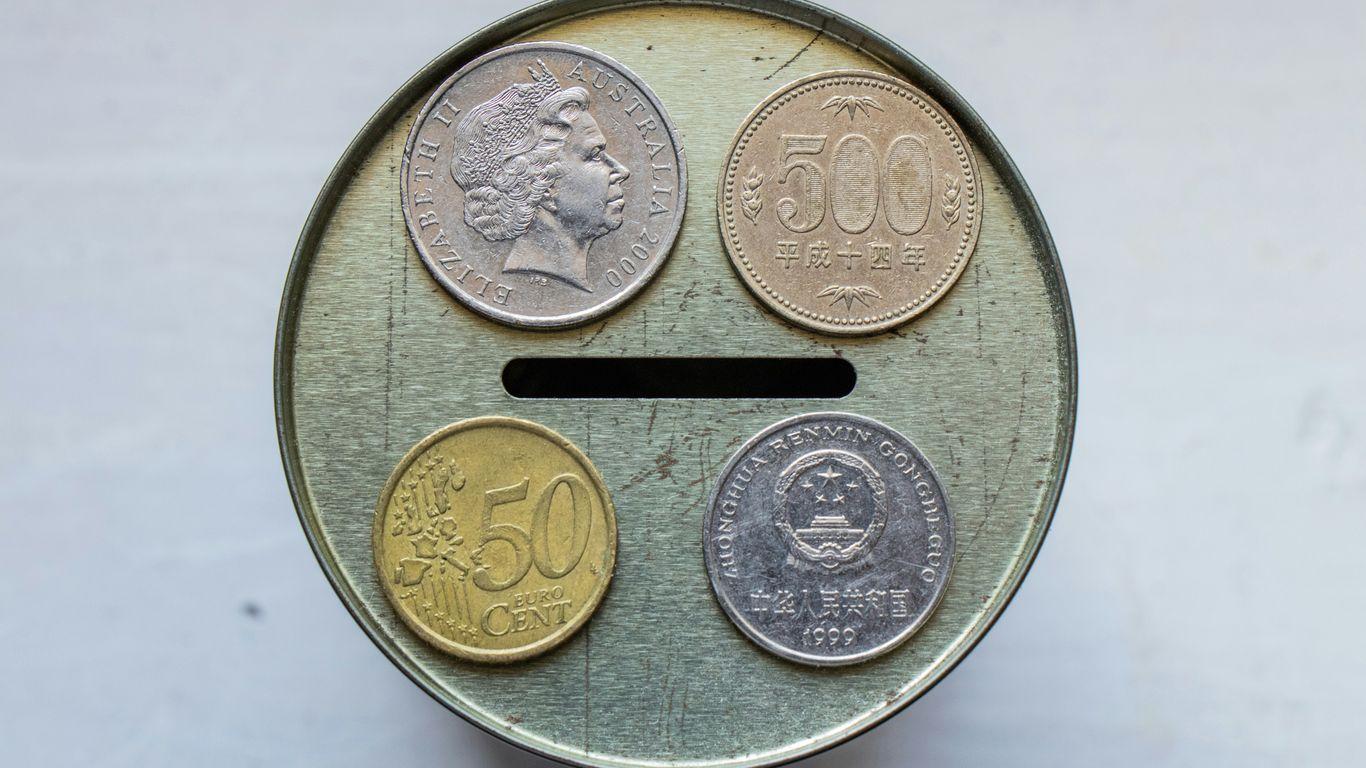
Sometimes, the things that make a coin unique are the mistakes made when it was created. These aren’t just any old coins; these are the ones with little quirks from the minting process that collectors go wild for. Think of it as a happy accident that can turn a regular 50-cent piece into something quite special.
Several types of errors can significantly increase a coin’s worth. Here are some common ones to look out for:
The value of a coin with a minting error can vary wildly. It depends on how rare the error is, how dramatic it is, and the overall condition of the coin. A small, barely noticeable flaw might add a little to the price, but a major, striking error can make a coin worth hundreds or even thousands of dollars.
Finding these error coins takes a keen eye. You’ll want to examine your 50-cent pieces closely, perhaps with a magnifying glass. Pay attention to the details, the strike, and the overall appearance. While most 50-cent pieces are common, these minting mistakes are what collectors actively search for, making them some of the most sought-after 50 cent pieces worth money in the numismatic world.
Spotting a valuable 50-cent piece isn’t always straightforward. It requires a keen eye and a bit of know-how. First off, grab a magnifying glass. You’ll want to examine the coin closely, looking for specific details that set valuable pieces apart from the everyday change you might find.
The condition of a coin is a major factor in its worth. Even common dates can become quite valuable if they are in pristine, uncirculated condition. Look for coins that still have their original mint luster, meaning they haven’t been worn down by circulation. Any scratches, nicks, or heavy wear will significantly reduce a coin’s value.
Here are some key things to check:
When examining details like inscriptions, pay attention to how sharp and clear they are. For instance, looking at the “E PLURIBUS UNUM” inscription on the reverse can help distinguish authentic errors from regular strikes. You can find resources that detail specific error types, like transitional date re-strikes, which often require close inspection of these inscriptions to identify genuine TDRs.
Be aware that many modern 50-cent pieces, particularly those minted from 1971 onwards for general circulation, are typically only worth their face value. The real treasures are often found in older silver issues, proof coins, or those with documented minting errors or special finishes like deep cameo.
Remember to compare your findings with known valuable varieties. Online databases and coin collecting guides can be very helpful in this regard. Checking recent auction results for similar coins can give you a good idea of current market prices.
Figuring out what your 50 cent pieces worth money can be a bit of a puzzle. It’s not like every old half dollar is going to make you rich, but some definitely stand out. The value really depends on a few things: the year it was made, if it’s made of silver, any special mint marks, and most importantly, its condition. Coins that look like they just came from the mint, with no scratches or wear, are always going to be worth more than ones that have been passed around for decades.
For older, silver 50-cent pieces, especially those made before 1965, the silver content itself adds a baseline value. For example, half dollars minted between 1892 and 1964 contain about 0.361 ounces of pure silver. You can get a rough idea of their worth by checking the current price of silver and multiplying it by that amount. However, some of these older coins are rare due to their year and mint mark, pushing their collector value way above just the silver price. It’s not uncommon for these to be worth hundreds or even thousands of dollars if they’re in great shape.
More modern 50 cent pieces worth money often gain value from specific errors or limited mintages. For instance, a 1979-S Type 2 Kennedy half dollar, identified by a clear “S” mint mark, can fetch a few hundred dollars, while earlier types might only be worth a fraction of that. Similarly, coins made specifically for collector sets, like the 1987-P and 1987-D Kennedy half dollars, can be worth more if they are in top condition and still in their original packaging. Some special issues, like the 2014-W 50th Anniversary Gold Kennedy Half Dollar, originally sold for over $1,200 and can now be worth $2,000 to $4,000 or more in perfect condition.
Here’s a general idea of what to expect:
Remember, the condition of the coin is king. A coin that looks worn will always be worth less than a pristine example of the same year and type. Always get a professional opinion if you think you have something truly special.
It’s important to note that values can change based on market demand. What’s hot one year might be less so the next. Checking recent auction results for similar 50 cent pieces worth money is a good way to get the most up-to-date picture.
Finding the right place to buy or sell those potentially valuable 50 cent pieces is pretty important. You don’t want to get ripped off, right?
When you’re looking to buy, reputable coin dealers are a solid bet. These folks usually know their stuff and stand behind what they sell. You can find them online or sometimes in local shops. Online auction sites like eBay are also popular, but you’ve got to be a bit more careful there. Look for sellers with good feedback and detailed descriptions, especially if they provide clear photos. Sometimes, coin shows are great too; you can see the coins in person and talk to the sellers directly.
Selling your 50 cent pieces can be done through the same channels. If you have a coin you think is rare, getting it appraised by a professional numismatist is a good first step. They can tell you what it’s worth and help you figure out the best way to sell it. For common but still nice coins, online marketplaces can work well. For truly rare or high-value pieces, consider consigning with a reputable auction house. They have a wider reach and can often get better prices for you, though they do take a cut.
Here are a few places to consider:
Always be wary of deals that seem too good to be true. Do your research on the specific coin you have or are looking to buy. Knowing its history, rarity, and condition will help you make informed decisions and avoid potential scams. A little bit of knowledge goes a long way in the coin-collecting world.
Taking care of your 50-cent pieces is pretty important if you want them to keep their value, or even increase it over time. It’s not just about tossing them in a drawer and forgetting about them. You need to handle them with care and store them properly. Think of it like keeping a delicate old photograph safe – you wouldn’t just leave it out in the sun, right?
Here are some basic steps to keep your coins in good shape:
The goal is to protect the coin’s original surfaces and prevent any further degradation. This means minimizing contact, avoiding harsh chemicals, and controlling the environment where the coins are kept. Even small scratches or environmental damage can make a big difference in a coin’s desirability and market price.
For more valuable or rare coins, consider investing in specialized numismatic storage solutions. These might include individual coin slabs (hard plastic cases graded by professional services) or custom-made display cases. The key is to create a barrier between the coin and the outside world while still allowing it to be viewed safely. Remember, preserving the coin’s condition is often just as important as its rarity or historical significance when it comes to its long-term worth.
Several things can make a 50 cent piece worth more than its face value. Older coins, especially those made of silver, are often more valuable. Special finishes like proof coins, coins with minting errors (like a doubled image or missing parts), and coins with very low production numbers are also highly sought after by collectors. Sometimes, a coin’s history or a specific detail, like a unique mint mark, can make it rare and valuable.
Not all old silver 50 cent pieces are worth a fortune, but they are generally more valuable than newer ones. Coins made before 1965 are typically 90% silver, and their value is tied to the price of silver. However, some silver coins are rare due to their year, mint mark, or condition, making their collector value much higher than just their silver content.
You’ll need to look closely at your coin, possibly with a magnifying glass. Common errors include doubled letters or numbers (called a “double die”), off-center strikes (where the design isn’t fully stamped onto the coin), or missing parts of the design. Sometimes, the metal planchet (the blank coin before striking) might have been damaged or had impurities, leading to unique errors. Comparing your coin to images of known errors online or in coin books can help you identify them.
Some of the most valuable 50-cent pieces include certain early American half dollars like the 1796-1797 Draped Bust Half Dollar, the 1916-S Walking Liberty Half Dollar, and specific Franklin Half Dollars with errors like the 1958 Full Bell Line. For Kennedy Half Dollars, look out for special issues like the 1964 SMS, the 1970-D (which had 40% silver), or modern proof coins in perfect condition. Even coins with common dates can be valuable if they have significant minting errors.
To find out what your 50-cent piece is worth, you can research recent sales of similar coins online. Websites that specialize in coin collecting, like eBay (checking sold listings), numismatic dealer sites, and coin price guides, can give you an idea. You can also use coin identification apps that scan your coin and provide information on its rarity and value. For a definitive appraisal, consider consulting a professional coin dealer or a numismatist.
To protect your valuable 50-cent pieces, it’s best to store them in protective holders designed for coins. These can be individual plastic flips, coin albums with protective pages, or sealed coin cases. Avoid touching the coin’s surface directly with your fingers, as oils can damage the metal over time. Keep them in a cool, dry place away from extreme temperature changes and humidity, which can cause corrosion or toning.