Is Baking Soda the Same as Bicarb Soda?
February 24, 2026

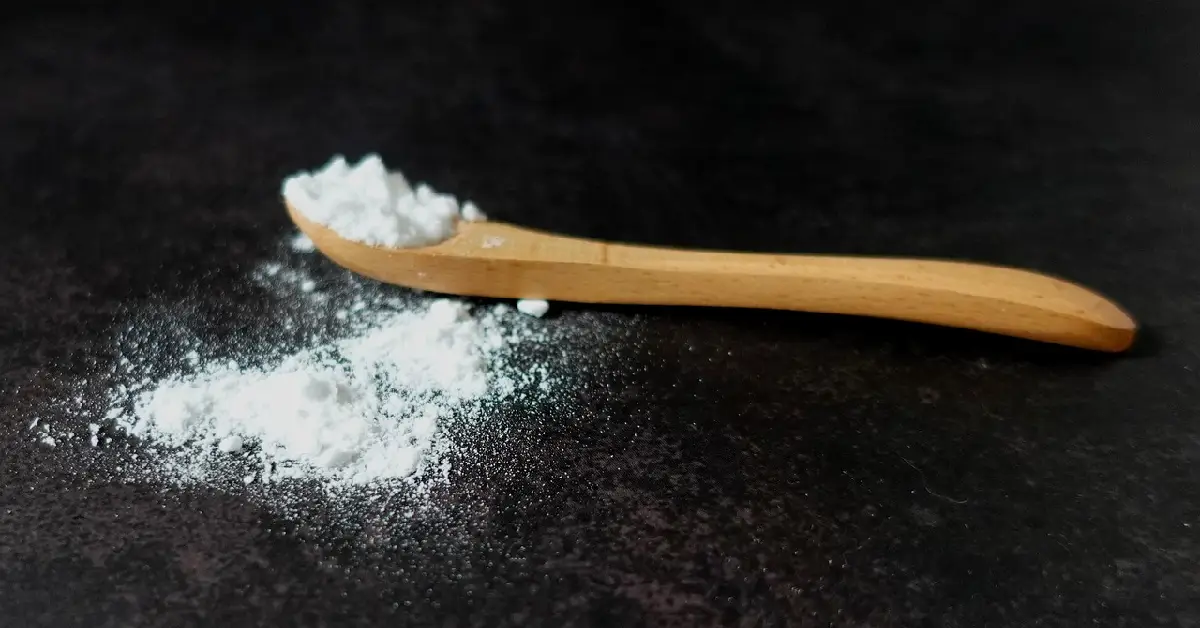
Let’s clear this up straight away: in Australia, ‘bicarb soda’ and ‘baking soda’ are absolutely the same thing. Yep, you heard that right. It’s just a different name for the same white, crystalline powder – sodium bicarbonate. Think of it like calling a fizzy drink a ‘pop’ or a ‘soda’; it’s the same stuff, just a regional lingo thing. So, if you’re flicking through a recipe from the States and it calls for baking soda, don’t panic, just grab your trusty bicarb from the pantry. It’s the same chemical compound, NaHCO3, and it works the same way in your cooking.
The main difference you’ll find isn’t in the substance itself, but in the name used. In Australia and the UK, ‘bicarbonate of soda’ or the shortened ‘bicarb soda’ is the common term, while in North America, ‘baking soda’ is the go-to phrase. It’s a bit like how we say ‘thongs’ and they say ‘flip-flops’.
This ingredient is a real workhorse in the kitchen, primarily acting as a leavening agent. What that means is, when it’s mixed with an acidic ingredient and moisture, it creates carbon dioxide gas. These tiny bubbles are what make your cakes, muffins, and scones rise up and become light and fluffy. Without that reaction, your baked goods would be a bit flat, and nobody wants that! It’s pretty fascinating how a simple chemical reaction can transform a batter into a delicious treat. It’s also worth noting that while it’s great for baking, it’s also handy for household cleaning tasks and even some minor health remedies, though always check with a professional for medical advice.
If you’re wondering, ‘is bi carb soda the same as baking soda?’, the short answer is a resounding yes. The difference you see is purely down to regional naming conventions. In Australia, and places like the UK and New Zealand, we tend to call it ‘bicarb soda’ or ‘bi-carb soda’. Over in the United States, they’ve adopted the term ‘baking soda’. So, whether a recipe hails from Melbourne or Milwaukee, if it calls for one or the other, you’re looking at the same ingredient.
What that means is it helps your baked goods puff up and become nice and airy. But here’s the catch: it can’t do it all by itself. To get that lovely rise, it needs a little help from an acidic ingredient, like lemon juice, vinegar, or even buttermilk. When the bicarb soda meets the acid, it creates carbon dioxide bubbles, and voilà – your cakes and muffins get that fluffy texture. Without enough acid, though, you might end up with a slightly bitter or soapy taste, which isn’t ideal for your pavlova.
It’s important to remember that while they’re chemically identical, the way they’re used can differ slightly based on the recipe’s other ingredients. Always check if an acidic component is present if you’re using bicarb soda.
It’s worth noting that bicarb soda is quite a bit stronger than baking powder, about three to four times more potent. This means you can’t just swap them willy-nilly without making adjustments. If you’re looking to substitute baking powder with bicarb soda, you’ll need to add an acidic ingredient to the mix to get it to work properly. You can find out more about substituting ingredients if you’re ever in a pinch.
When Aussies talk about bicarb soda, and you’ve got American recipes mentioning baking soda, it’s easy to think you’re dealing with two different pantry staples. Here’s the thing: for most practical purposes in Australia, bicarb soda and baking soda are identical. You’ll find it on supermarket shelves labelled as bicarb soda across the country, while US and Canadian brands typically call it baking soda.
Here’s a quick comparison:
| Feature | Bicarb Soda (Australia) | Baking Soda (USA/Canada) |
| Active ingredient | Sodium bicarbonate | Sodium bicarbonate |
| Uses | Baking, cleaning, odours | Baking, cleaning, odours |
| Also called | Bicarbonate of soda, bi-carb | Baking soda, sodium bicarb |
If you’re following a recipe and it says baking soda but you’ve only got bicarb soda in the cupboard, you’re totally fine — just use a one-to-one swap. No need to second-guess it!
What gets people a bit muddled up with bicarb soda vs baking soda is, honestly, just the labelling and the accents. The powder itself is the same and works in the same way — it needs an acid to activate and make your baking rise. So, there’s no real difference besides what people call it in various countries. You can be confident using whatever’s available, knowing your cakes, scones, or even home cleaning routines will turn out just how you expect.
Right, so you’ve got your bicarb soda, and then there’s baking powder. They both help things rise in the oven, which is pretty handy, but they’re not quite the same thing. Think of bicarb soda, or sodium bicarbonate if you want to get technical, as a single ingredient. It’s a white powder that’s alkaline. For it to do its magic and make your cakes fluffy, it needs a little help from an acidic ingredient, like lemon juice or vinegar, and some moisture. When they all get together, they create carbon dioxide bubbles, and that’s what gives your baked goods that lovely lift.
Baking powder, on the other hand, is like a pre-packaged kit. It already has the bicarb soda and the acidic component mixed in. All it really needs is liquid and heat to get going. This makes it super convenient for recipes that don’t have any natural acidic ingredients. Most baking powder you buy these days is ‘double-acting’, meaning it starts fizzing when you mix it with liquid, and then it gets another boost of bubbles when it heats up in the oven. It’s a bit more of an all-in-one solution.
So, while they both help things rise, bicarb soda needs an extra hand from an acid, whereas baking powder comes ready to go. It’s a bit like comparing a single tool to a multi-tool – both useful, but for different situations. If you’re trying to substitute one for the other, you’ve got to be careful. Bicarb soda is much stronger, so you can’t just swap them out cup for cup. You’d need to adjust the amounts and potentially add an acid if you’re using bicarb soda instead of baking powder. It’s a bit of a science, really!
It’s worth remembering that bicarb soda has a whole heap of other uses around the house, not just in the kitchen. Baking powder, though? It’s pretty much just for baking. You wouldn’t really use baking powder to clean your fridge, for example. So, while they might look similar and both help things rise, they’re definitely not interchangeable without a bit of thought. If you’re ever unsure, it’s always best to stick to what the recipe calls for.
So, why the different lingo down under? It really just comes down to history and common usage. In Australia, and a few other places like the UK and New Zealand, “bicarbonate of soda” has always been the go-to term. Over time, people naturally shortened it to “bicarb soda” or even just “bicarb” because, well, it’s easier to say!
It’s sodium bicarbonate (NaHCO₃), which folks in the US call baking soda. The “bi-” in bicarbonate actually comes from an older system. Back then, they thought there was twice as much carbonate in it compared to regular sodium carbonate, hence “bi-” for two. Even though we know the exact chemical makeup now, the old name just stuck around in places like Australia.
It’s a bit like how we have different slang words for the same thing – everyone knows what you mean, it’s just a regional quirk. So, whether you see “baking soda” or “bicarb soda” on a recipe, rest assured, it’s the same versatile powder you’re looking for. It’s a handy ingredient for everything from baking to cleaning, and knowing its common name here makes shopping a bit simpler.
Knowing that “bicarb soda” and “baking soda” refer to the same thing is key for any home cook or cleaner in Australia.
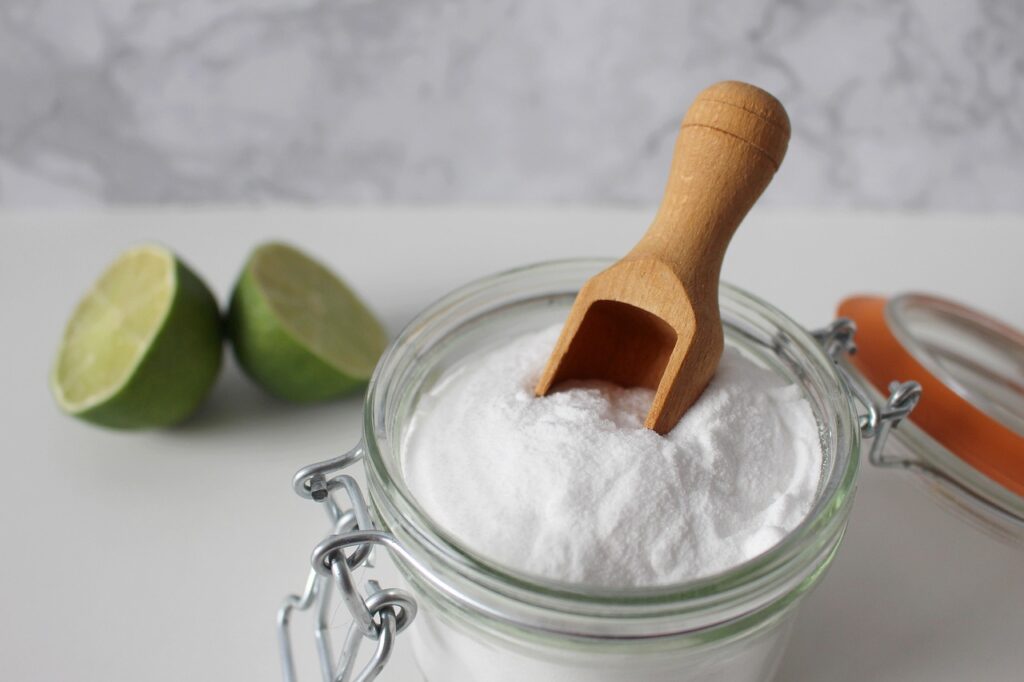
So, you’re in the middle of baking something delicious, and you realise you’re out of baking soda, but you’ve got a box of bicarb soda sitting there. Can you just swap them? Well, yes and no. In Australia, bicarb soda and baking soda are actually the same thing – they’re both sodium bicarbonate. Recipes from the US often call it baking soda, while here in Australia, we tend to stick with bicarb soda.
Now, if you’re talking about substituting bicarb soda for baking powder, that’s a different story. Bicarb soda is way more potent, like three to four times stronger. If you just read about a recipe that calls for baking powder without making any adjustments, your baked goods might not rise properly, or worse, they could end up tasting a bit soapy or bitter. That’s because bicarb soda needs an acidic ingredient to really get going and create those lovely carbon dioxide bubbles that make things fluffy. Baking powder, on the other hand, already has the acid mixed in, so it just needs moisture and heat.
If you absolutely have to use bicarb soda when a recipe calls for baking powder, you’ll need to add an acidic component yourself. A common rule of thumb is to use about a quarter of a teaspoon of bicarb soda plus half a teaspoon of something acidic, like lemon juice or vinegar, for every teaspoon of baking powder the recipe calls for. It’s a bit of a balancing act, and it’s not always a perfect swap, especially if the recipe relies on bicarb soda for flavour balance with ingredients like honey or cocoa.
When using bicarb soda in baking, remember it needs an acid to activate. Without it, you might end up with a less-than-ideal taste and texture in your finished product. It’s a powerful ingredient, but it needs a partner to do its best work.
Let’s talk about what Aussies actually do with bicarb soda, or as some of you might know it, baking soda. It’s not just for whipping up a sponge cake, though it’s brilliant for that, making your cakes and cookies nice and fluffy. It’s a real workhorse around the house and even in the garden.
For cleaning, it’s a bit of a miracle worker. Got a greasy pan? A sprinkle of bicarb and a bit of scrubbing usually does the trick. It’s also handy for deodorising your fridge – just pop an open box in there and it’ll soak up any funky smells. Some people even use it to give their laundry a bit of a boost, especially for whites.
It’s pretty amazing how one simple ingredient can tackle so many different jobs, from making your baking rise to sorting out a stubborn stain. It really is a staple you can rely on.
Beyond the kitchen and cleaning cupboard, bicarb soda pops up in a few other places too. You might find it in some toothpastes because it can help neutralise acids in your mouth and freshen things up. It’s also sometimes used as a soothing agent for insect bites or even as a gentle scrub for your skin. And if you’re into gardening, it can help with certain plant issues or even keep slugs and snails away. It’s quite the versatile powder, isn’t it?
So, is baking soda the same as bicarb soda? Yes — they are the exact same ingredient. The only difference is what different countries call it.
Absolutely. In Australia, bicarb soda and baking soda are used for the same thing: sodium bicarbonate. If your recipe says one but you only have the other, you’re all good – just measure as stated and carry on.
Here’s the thing – they’re identical. No difference in strength or effectiveness, just a label swap depending on where you are. Whether you use bicarb soda or baking soda, the fizz and lifting power in your bakes will be identical.
Nope, baking soda in Australia is just bicarb soda – same compound, same properties. You won’t find any strange additives or sneaky changes just because you’ve crossed a border. It’s all sodium bicarbonate, nothing more, nothing less.
Bicarb soda doesn’t spoil, but it can lose strength over time. If it doesn’t fizz strongly when mixed with vinegar or lemon juice, it’s time to replace it.
Both are sodium bicarbonate, but food-grade is certified safe for consumption. For baking, always use one labelled suitable for food use.