Red Poppy $2 Coin
January 23, 2026


G’day collectors! Ever wonder if that $2 coin jingling in your pocket might be worth a bit more than face value? Well, you’re in luck. We’re talking about the red poppy $2 coin today, a special issue that’s caught the eye of many. It’s not just any coin; it’s a piece of history that commemorates something important. Let’s dive into what makes this particular coin so interesting and why you might want to keep an eye out for it.
Right then, let’s talk about a coin that’s really caught the eye of collectors down under – the Red Poppy $2 coin. If you’re just getting into coin collecting, or even if you’ve been at it for a while, this little beauty is definitely one to know about. It’s not just any old coin you might find jingling in your pocket; it’s a piece of history and a bit of a legend in the numismatic world.
This coin marks a significant moment in Australian coinage history as the first $2 coin to feature colour. It was released to commemorate Remembrance Day, a day that holds a lot of meaning for many Australians. The vibrant red poppy design isn’t just for show; it’s a powerful symbol of remembrance and sacrifice, making the coin itself a poignant tribute.
So, what makes this particular $2 coin so special? Well, a few things, really. It’s the combination of its commemorative nature, its striking design, and,d importantly for collectors, its mintage figures. Some versions are quite rare, which naturally drives up their desirability and value. It’s a bit like finding a rare bird in your backyard – exciting and potentially quite rewarding!
Here’s a quick rundown of what you should be aware of:
When you’re looking at any coin for your collection, especially one like the Red Poppy $2, it’s always a good idea to get a feel for its story. Knowing why it was made and what it represents adds so much more to its appeal than just its monetary worth. It’s about the connection to the past and the craftsmanship of the present.
If you’re keen to learn more about other commemorative coins, you might find the 2025 $2 Proof and Uncirculated Poppy Wreath coins interesting, as they continue the tradition of remembrance on Australian currency.
So, what exactly is this red poppy $2 coin we keep hearing about? Basically, it’s a special edition $2 coin released by the Royal Australian Mint. It was the very first coloured $2 coin ever put into general circulation in Australia, and that’s a pretty big deal in the coin collecting world.
Before this one, all our $2 coins looked pretty much the same, just with different designs on the back. But in 2012, they decided to commemorate Remembrance Day with a splash of colour – a vibrant red poppy. This wasn’t just a cosmetic change; it marked a new era for Australian circulating coins.
Why does it matter so much to collectors? Well, a few reasons:
This red poppy $2 coin really kicked off a trend. After its success, the Mint started releasing other coloured $2 coins for various occasions, like the Coronation coin or the Lest We Forget coin. But that first one, the 2012 red poppy $2 coin, holds a special place.
The introduction of the red poppy $2 coin wasn’t just about adding colour; it was a strategic move by the Mint to boost interest in coin collecting and commemorate important national events in a more engaging way. It successfully captured the public’s imagination and paved the way for future commemorative issues.
Finding a red poppy $2 coin in your change is pretty rare these days. Most were snapped up by collectors or hoarded when they were first released because people knew they were special. So, if you do stumble across a red poppy $2 coin, consider yourself lucky!
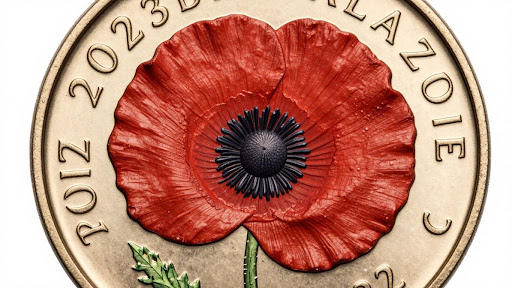
Before 2012, Australia’s $2 coins were pretty standard. You had the original design by Horst Hahne, which was around for ages, and then a few variations, but nothing that really shook things up in the collecting world. That all changed in 2012 when the Royal Australian Mint decided to do something a bit different.
The 2012 Red Poppy $2 coin was a game-changer because it was the very first coloured $2 coin ever released into circulation by the Royal Australian Mint. This wasn’t just a minor tweak; it was a significant step that opened the floodgates for future commemorative and coloured coins.
This special coin was issued to commemorate Remembrance Day, a day of solemn reflection. The design features a vibrant red poppy, a symbol of remembrance for those who have died in war. It was a powerful way to connect a circulating coin with a significant national event.
Here’s a quick look at the context:
The introduction of colour on a $2 coin was a significant moment for Australian numismatics. It wasn’t just about a new design; it was about the Royal Australian Mint embracing new technologies and collector trends, paving the way for many more exciting releases to come.
This initial success set a precedent. Following the 2012 Red Poppy, the Mint continued to release a series of popular coloured $2 coins, including the Coronation coin in 2013 and the ‘Lest We Forget’ coin in 2017. These subsequent releases further cemented the popularity of coloured coins among Australian collectors, but it all started with that iconic red poppy. If you’re looking to start your collection, the 2012 Red Poppy is a fantastic entry point.
Right then, let’s have a proper look at what makes this Red Poppy $2 coin so special visually. It’s not just a splash of red, you know. The main event on the reverse, the bit that really grabs your eye, is that vibrant red poppy. This isn’t just any flower; it’s a symbol, a really strong one, representing remembrance and the sacrifices made by our service people. It’s pretty much the star of the show.
Around the poppy, you’ll find some micro-text. It’s tiny, so you’ll need a magnifying glass to see it properly, but it’s there. It usually says something like ‘Lest we forget’ and ‘Remembrance Day’. It’s a subtle touch, but it adds a whole layer of meaning to the coin. It’s a way of keeping the message close, even if it’s not immediately obvious.
On the flip side, the side with the Queen’s (or King’s, depending on the year) head, that’s pretty standard stuff for Australian coins. You’ll see the current monarch’s portrait. The real magic, the bit that makes this coin stand out from your everyday change, is that coloured poppy.
Here’s a quick rundown of the key design elements:
It’s the combination of the familiar $2 coin structure with that striking red poppy that makes it so memorable. It’s a little piece of history you can hold in your hand, a reminder of important events and the people involved.
The use of colour on circulating Australian coins was a bit of a game-changer when this one came out. It really made the poppy pop, so to speak, and helped it stand out from all the other coins you’d normally find rattling around in your pocket. It was a clever way to make a commemorative coin that people would actually notice and hopefully keep.
When you’re hunting for the 2012 Red Poppy $2 coin, knowing how many were actually made is pretty important. It gives you a good idea of how rare they are, and why some might be worth more than others.
The Royal Australian Mint produced a total of 503,000 of the standard Red Poppy $2 coins. This number might sound like a lot, but in the world of coin collecting, especially for a special coloured coin like this, it’s actually quite low. This limited mintage is a big reason why collectors are so keen to find them.
But wait, there’s more! There’s a special version of this coin that’s even harder to find. These are the ones with a ‘C’ mintmark, which stands for the Canberra mint.
See? That ‘C’ mintmark version is seriously scarce. It’s like finding a needle in a haystack, which is why collectors often pay a premium for them.
The low mintage figures for both the standard and the ‘C’ mintmark versions of the 2012 Red Poppy $2 coin are key factors driving their desirability and value among numismatists. It’s a classic case of supply and demand at play in the collector market.
So, you’ve got your hands on a Red Poppy $2 coin, but wait – is it just any old poppy coin, or is there something a bit more special about it? When the Royal Australian Mint released these coins back in 2012 to mark Remembrance Day, they actually put out two versions. This is where things get interesting for collectors.
Most of the Red Poppy $2 coins you’ll find are the standard issue. These were made to go into general circulation, and while they’re still a great find, they’re not as rare as their counterpart. Then there’s the version with the ‘C’ mintmark. This little ‘C’ is tiny, usually found near the base of the poppy or within the design elements. It signifies that the coin was produced at the Royal Australian Mint’s Canberra facility, but it’s not just any coin from Canberra – it’s a special issue.
Here’s a quick rundown:
The mintage figures really highlight the difference:
| Coin Type | Mintage Figure (Approx.) |
| Standard Red Poppy $2 | 503,000 |
| “C” Mintmark Red Poppy $2 | 40,902 |
See what I mean? That ‘C’ mintmark coin is a much scarcer find. It’s like finding a needle in a haystack compared to the standard version. If you’re lucky enough to spot one of these ‘C’ mintmark coins, you’ve probably got a real prize on your hands. It’s these kinds of variations that really add a layer of excitement to coin collecting, turning a simple coin into a potential treasure. Finding one of these rare coins can be a highlight for any collector, especially if you’re looking to add some scarcity to your collection. The limited circulation of these coins, particularly the ‘C’ mintmark variety, is a major factor in their desirability.
Right then, let’s talk about the 2012 Red Poppy $2 coin. If you’re into collecting coins, especially the colourful Australian $2 ones, this one’s a bit of a legend. It was the very first coloured $2 coin released by the Royal Australian Mint, and that alone makes it a big deal. Plus, it commemorates Remembrance Day, which is a pretty significant occasion.
So, why all the fuss? Well, it boils down to a few key things:
The combination of being the first of its kind, having a relatively low production run, and carrying significant historical symbolism is what really drives the demand for the 2012 Red Poppy $2 coin among collectors. It’s not just about the coin itself, but the story it tells and its place in Australian coin history.
Because so many people wanted one and it was the first of its kind, a lot of these coins were likely kept aside as soon as they were released. This means fewer made it into general circulation, making them even harder to find in your change today. If you do manage to snag one, especially in good condition, you’ve got a pretty special piece of Australian coin history.
So, you’ve snagged yourself a Red Poppy $2 coin, or you’re hunting for one. Wondering what it’s actually worth these days? It’s not just a two-dollar coin anymore, that’s for sure. The value can jump around a bit, depending on a few things, but generally, these coins are pretty popular with collectors.
The 2012 Red Poppy $2 coin is a standout because of its low mintage, making it more desirable than your average coin found in your change.
Here’s a rough idea of what you might expect:
It’s always a good idea to check recent sales on auction sites or with reputable coin dealers to get the most up-to-date figures. The market can shift, especially for popular commemorative coins like this one.
Remember, the condition of the coin plays a massive role. A coin that’s been tossed around in pockets and cash registers will be worth less than one that’s been carefully stored since it was minted. Look for sharp details and minimal wear.
Keep in mind that the 2022 10th-anniversary edition also saw a surge in interest, but the original 2012 issue, especially with the ‘C’ mintmark, remains a key piece for many collectors.
Graded and Premium Examples
Alright, so you’ve got a Red Poppy $2 coin, and you’re wondering if it’s a real gem. While most of these coins are pretty cool to have, some are definitely worth more than others. It really comes down to a few key things, mainly the mint mark and the coin’s condition.
The ‘C’ mint mark is your golden ticket to a higher value.
When the Royal Australian Mint released the Red Poppy $2 coin in 2012, they made a special run with a ‘C’ mint mark. These were produced in much smaller numbers – only about 40,902 of them, compared to over half a million of the standard ones. Because they’re so rare, these ‘C’ mint mark versions can fetch a pretty penny.
Here’s a rough idea of what you might see:
| Coin Type | Estimated Value Range | Notes |
| Standard Red Poppy $2 | $20 – $50 | Circulated condition |
| ‘C’ Mintmark Red Poppy | $500 – $1000+ | Circulated condition, depending on grade |
| Uncirculated Examples | Varies Significantly | Higher for both types, especially ‘C’ mint |
Beyond the mint mark, the condition of your coin is a massive factor. A coin that’s been jingling around in pockets for years will naturally be worth less than one that’s straight out of the mint, crisp and untouched. We’re talking about graded coins here – those that have been professionally assessed and given a numerical grade based on their condition. A top-grade Red Poppy, especially with that ‘C’ mint mark, can really command some serious money.
When you’re looking at the really high-value examples, think about coins that have been slabbed by a professional grading service. These services check for authenticity, wear, and overall eye appeal. A coin with a high grade, like an MS65 or higher, will always be worth more than a lower-graded one, even if they’re the same type of coin. It’s all about that perfect preservation.
So, if you’ve got a Red Poppy $2 coin, especially one with a ‘C’ mint mark, it’s definitely worth getting it checked out by a reputable dealer or grader. You might be sitting on something quite special!
Alright, so you’ve snagged yourself a Red Poppy $2 coin, or you’re on the hunt for one. That’s awesome! Now, one of the biggest things that’ll make a difference in what it’s worth is its condition. Think of it like this: a coin that’s been tossed around in your pocket for years is going to look a lot different than one that’s just come straight from the mint.
The difference between a coin that’s been in circulation and one that hasn’t can be massive.
When we talk about coins, we usually split them into two main groups: circulated and uncirculated. It’s pretty straightforward, really.
Here’s a rough idea of how that condition plays out in value:
| Condition Type | Typical Value Range (Approx.) | Notes |
| Circulated | $5 – $50 | Varies greatly with wear, presence of mint marks, and overall eye appeal. |
| Uncirculated (UNC) | $50 – $200+ | Higher end for coins with perfect colour and no imperfections. |
| Graded Mint State | $150 – $1000+ | For coins professionally graded as top-tier uncirculated examples. |
It’s not just about whether it’s circulated or not, though. Even within the uncirculated category, there are levels. A coin that’s technically uncirculated but has a tiny mark or a slight colour imperfection will be worth less than a flawless specimen. That’s why collectors often go for coins that have been professionally graded by services like PCGS or NGC. They give a coin a numerical score based on its condition, and the top grades (like MS65 and above) command the highest prices. For the Red Poppy, the vibrancy and completeness of that red colour are super important for its uncirculated value.
When you’re looking at a Red Poppy $2 coin, especially if you’re thinking about its value, pay close attention to the red colour. Is it bright and complete, or is it faded or missing in spots? Also, check the edges and the raised parts of the design for any signs of wear. Even tiny marks can make a difference to a keen collector.
Finding a Red Poppy $2 coin in mint condition is a real treat. If you’re lucky enough to find one, keeping it safe is key. Storing it properly, maybe in a protective sleeve or a dedicated coin album, will help maintain its condition and, by extension, its value. It’s all about preserving that little piece of history. If you’re looking for a pristine example, you might want to check out collector-specific releases like the 2025 $2 Red Poppy Wreath Coloured Uncirculated Coin.
Spotting a fake Red Poppy $2 coin isn’t usually too tricky, but it’s good to know what to look for, especially since these coins can be worth a fair bit. Most fakes are pretty obvious if you take a close look.
First off, check the colour. The red on the genuine coins is usually quite vibrant and consistent. If it looks patchy, dull, or like it’s been painted on, that’s a red flag. The Royal Australian Mint does a top-notch job with their coloured coins, so anything less than professional is suspect.
Then there’s the detail. The poppy itself, the micro-lettering around the edge saying ‘Lest we forget’ and ‘Remembrance Day’ – these should be sharp and clear. If the lettering is blurry, smudged, or just plain missing, you’ve likely got a dud. Sometimes people try to alter existing coins to make them look like a Red Poppy, but they often miss these tiny details.
Here’s a quick rundown of what to check:
The ‘C’ mintmark, if present, is usually found on the obverse (the side with the Queen’s or King’s head) near the centre. It’s tiny, so you’ll need good light and possibly a magnifying glass to spot it. If you’re looking at a coin that claims to have a ‘C’ mintmark but you can’t find it, or it looks poorly applied, it’s probably not the real deal.
If you’re really unsure, compare it side-by-side with a known genuine $2 coin, or even a standard circulating $2 coin. Differences in the metal colour, the sharpness of the relief, or the overall finish can be quite telling. When in doubt, it’s always best to consult with a reputable coin dealer or numismatic expert.
So, you’ve managed to snag yourself a Red Poppy $2 coin, or maybe a whole bunch of them. That’s pretty neat! Now, the big question is, how do you keep them in tip-top shape? It’s not rocket science, but a few simple things can make a world of difference.
First off, handling these coins with care is key to maintaining their value. Try to touch them only by the edges. Those oils and dirt from your fingers? They can actually damage the coin’s surface over time, especially if it’s a shiny, uncirculated one. Think of it like trying to keep a new car spotless – you don’t want to be smudging it up right away.
When it comes to storing them, you’ve got a few good options. You don’t need anything super fancy, but avoiding just chucking them in a jar is a good start.
Avoid anything made of PVC (polyvinyl chloride), as this stuff can actually break down and damage your coins over time, leaving a sticky residue. Stick to inert plastics like Mylar or acrylic.
For the truly special coins, especially those with a ‘C’ mintmark or in pristine condition, consider a more secure storage solution. This might involve individual, sealed capsules or even a small safe deposit box if you’re talking about a significant collection. The goal is to minimise exposure to air, moisture, and physical damage.
If you’re just starting out and have a few Red Poppies, keeping them in a small, clean container with a lid is better than nothing. Just make sure it’s not somewhere damp or where it’s going to get knocked around a lot. Keeping them away from extreme temperatures is also a good idea. Basically, treat them like little pieces of history you want to pass on, and you’ll be doing a pretty good job.
So, you’ve heard about the 2012 Red Poppy $2 coin and now you’re keen to snag one for yourself. Where do you even start looking? It’s not like they’re just sitting on every shop counter, unfortunately. These little beauties were pretty popular when they first came out, and a lot of them got snapped up by collectors pretty quickly.
Your best bet for finding one is still to keep your eyes peeled in your everyday change. You never know when someone might spend one without realising its potential value. It’s a bit of a treasure hunt, really. Always check the $2 coins you get back, especially if they look a bit different or have colour on them.
Another good place to look is in coin rolls. Banks sometimes still have rolls of uncirculated coins, and if you’re lucky, you might find a roll that contains a Red Poppy $2 coin. It’s a bit of a long shot, but it happens! You can ask your local bank if they have any $2 coin rolls available, though they might not always have older ones.
Here’s a quick rundown of where to try:
If you’re serious about adding one to your collection and haven’t found one in circulation, your next stop would be coin dealers or online auction sites. Places like eBay or dedicated coin collecting forums are great for this. Just be aware that you’ll likely be paying a premium, especially for coins in good condition or those with the rarer ‘C’ mintmark. It’s always a good idea to compare prices from a few different sellers before you buy.
Remember, the 2012 Red Poppy $2 coin was the first coloured $2 coin released by the Royal Australian Mint. Its significance as a commemorative piece and its relatively low mintage figures contribute to its desirability among collectors. While finding one in your change is the ultimate thrill, purchasing from reputable dealers or online platforms is a more reliable, albeit potentially more expensive, route to acquiring this special coin.
So, you’ve decided you want to snag a Red Poppy $2 coin for your collection. Good on ya! Buying coins, especially ones that are a bit sought after like these, can be a bit of a minefield if you’re not careful. Whether you’re browsing online or heading to a coin show, there are a few things to keep in mind to make sure you get a good deal and a genuine coin.
When you’re looking online, stick to reputable dealers or auction sites with clear return policies. Always check the seller’s feedback and reviews before you commit to buying. It’s easy to get caught up in a bidding war or a ‘buy it now’ price, but take a breath and do your homework. Look for clear, high-resolution photos of the actual coin you’re interested in, not just stock images. If a deal seems too good to be true, it probably is. Remember, the 2012 Red Poppy $2 coin, especially those with a ‘C’ mintmark, are quite rare, so expect to pay a fair price for a genuine one. You can often find these special coins on sites dedicated to Australian numismatics.
Here’s a quick rundown of what to look for:
Attending coin shows can be a great experience. You get to see the coins in person, and often chat with dealers who are passionate about their hobby. It’s a good idea to go with a list of what you’re looking for and a rough idea of what you’re willing to spend. Don’t be shy about asking questions – most dealers are happy to share their knowledge. You might even find a hidden gem tucked away in a dealer’s tray.
When buying, especially online, always be wary of overly bright or artificially enhanced photos. Sometimes sellers try to make a coin look better than it actually is. Stick to sellers who provide natural lighting photos and detailed descriptions of any imperfections.
If you’re looking for specific variations, like the 2012 Red Poppy $2 coin with the ‘C’ mintmark, be prepared that these can be harder to find and will command a higher price. Patience is key in coin collecting. You might not find exactly what you’re after on your first try, but the thrill of the hunt is part of the fun, right?
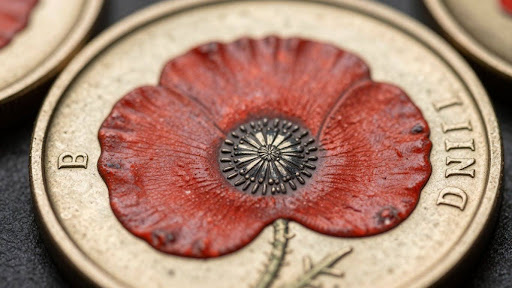
So, you’ve snagged yourself a Red Poppy $2 coin, or maybe you’re on the hunt for one. It’s a pretty cool piece of Aussie numismatic history, and finding others who are just as keen can make the whole experience way more fun.
Connecting with fellow collectors is a great way to learn more and maybe even find that missing piece for your collection.
There are a few places you can go to chat with other Red Poppy $2 coin enthusiasts:
When you’re looking for information, especially about value or authenticity, it’s always good to cross-reference what you find. Sometimes, one person’s opinion might be a bit off, or they might be trying to sell you something.
It’s wise to get a few different opinions when you’re dealing with potentially valuable coins. Checking multiple sources helps you get a clearer picture of what’s what, especially when it comes to grading and pricing. Don’t be afraid to ask questions – most collectors are happy to share their knowledge.
Don’t forget to check out the Royal Australian Mint’s official website too. They often have information about their releases, including historical data and sometimes even collector resources. It’s a reliable place to start when you need solid facts about the coins themselves.
So, you’ve heard about the red poppy $2 coin and are wondering what’s the deal? It’s a fair question, especially if you’re just starting out in the coin collecting world. These coins can be a bit confusing with all the different mint marks and variations.
The 2012 Red Poppy $2 coin is a big deal because it was the first coloured $2 coin released by the Royal Australian Mint. This alone made it a hit with collectors, and combined with its low mintage, it’s become quite sought after.
Here are some common questions people have:
It’s important to remember that the condition of the coin plays a massive role in its value. A coin that’s been heavily circulated and shows wear and tear will be worth less than a pristine, uncirculated example. Always inspect coins carefully before buying.
If you’re looking to add this piece of numismatic history to your collection, keep your eyes peeled. You might just find a treasure hiding in plain sight. For more details on specific releases, checking out resources on the Royal Australian Mint website can be helpful.
So, you’ve got your eye on the Red Poppy $2 coin, huh? That’s a ripper choice for any Aussie coin collector. It’s not just about having a bit of colour in your collection; this coin really kicked off something special for the Royal Australian Mint. It was the first coloured $2 coin they ever released into general circulation, and that alone makes it a bit of a legend.
If you’re just starting out or looking to add a significant piece, the Red Poppy is a solid bet. It’s a great conversation starter and a tangible link to a significant moment in Australian numismatics. Plus, let’s be honest, it looks pretty cool.
Here’s a quick rundown of what makes it a must-have:
When you’re building your collection, think about the different versions. You’ve got the standard issue, which is already a great find, and then there’s the rarer ‘C’ mintmark version. Finding one of those is like striking gold, or, well, striking a rare coin!
Building a coin collection isn’t just about accumulating items; it’s about telling a story. The Red Poppy $2 coin is a chapter in Australia’s modern coin history, representing innovation and remembrance.
Don’t get too stressed if you haven’t found one in your change yet. These coins were pretty popular when they came out, and a lot of people held onto them. That means you might have more luck looking through coin rolls or checking out reputable coin dealers and online marketplaces. Just remember to do your homework on prices and authenticity, especially for those scarcer ‘C’ mintmark varieties. Happy hunting!
Ready to start building your coin collection? The special Red Poppy $2 coin is a fantastic piece to add to your display. It’s a popular item for collectors, and you might be surprised how quickly it becomes a favourite. Want to learn more about this unique coin and how to find one for yourself? Visit our website today for all the details and tips on growing your collection!
The 2012 Red Poppy $2 coin is a bit of a legend among Aussie coin collectors. It was the first-ever coloured $2 coin released by the Royal Australian Mint, made to remember fallen soldiers. Because not many were made, they’re pretty sought after.
The red poppy is a well-known symbol of remembrance for soldiers who have died in war, especially since World War I. Putting it on the coin is a way to honour their bravery and sacrifice, reminding everyone to ‘Lest we forget’.
The Royal Australian Mint produced a limited number of these coins. For the standard version, there were 503,000 made. This low number is a big reason why collectors find them so interesting.
Yes, there are! Besides the regular version, there’s a rarer one with a tiny ‘C’ mint mark. This ‘C’ stands for the Canberra ‘C’ mint, and coins with this mark are much harder to find, making them more valuable.
Their value can change, but generally, a standard Red Poppy $2 coin can be worth anywhere from $240 to $500. If you’re lucky enough to find one with the ‘C’ mint mark, it could fetch even more, sometimes over $1,000!
Absolutely! Just like with most collectibles, a coin in perfect, uncirculated condition will be worth a lot more than one that’s been used in everyday change. Look for coins with no scratches or wear.
Your best bet is to check your own change, or keep an eye out when you get rolls of coins from the bank. Sometimes collectors sell them online or at coin shows, but be sure to buy from trusted sources.
Genuine coins will have clear details, especially the micro-lettering around the poppy. If a coin looks off, has blurry details, or feels too light or heavy, it might be a fake. Comparing it to pictures of known genuine coins is a good idea.
To keep your coin in great shape, store it in a protective holder, like a coin capsule or a display album. Keep it away from moisture and direct sunlight to prevent damage or discolouration.
Yes, the Royal Australian Mint has released many other cool coloured $2 coins over the years, often for special events or anniversaries. Collecting these can be a fun part of numismatics, but the Red Poppy is a standout.
When the Red Poppy coin was released, collectors realised how special and limited it was. Many people bought them and kept them safe, hoping they would become valuable, rather than spending them. This is called ‘hoarding’.
It’s very unlikely to find a 2012 Red Poppy $2 coin in your everyday change these days. Most of them were either collected by enthusiasts shortly after release or have been spent and are now in private collections.