When Will E Scooters Be Legal NSW: What the Law Says in Australia
February 9, 2026

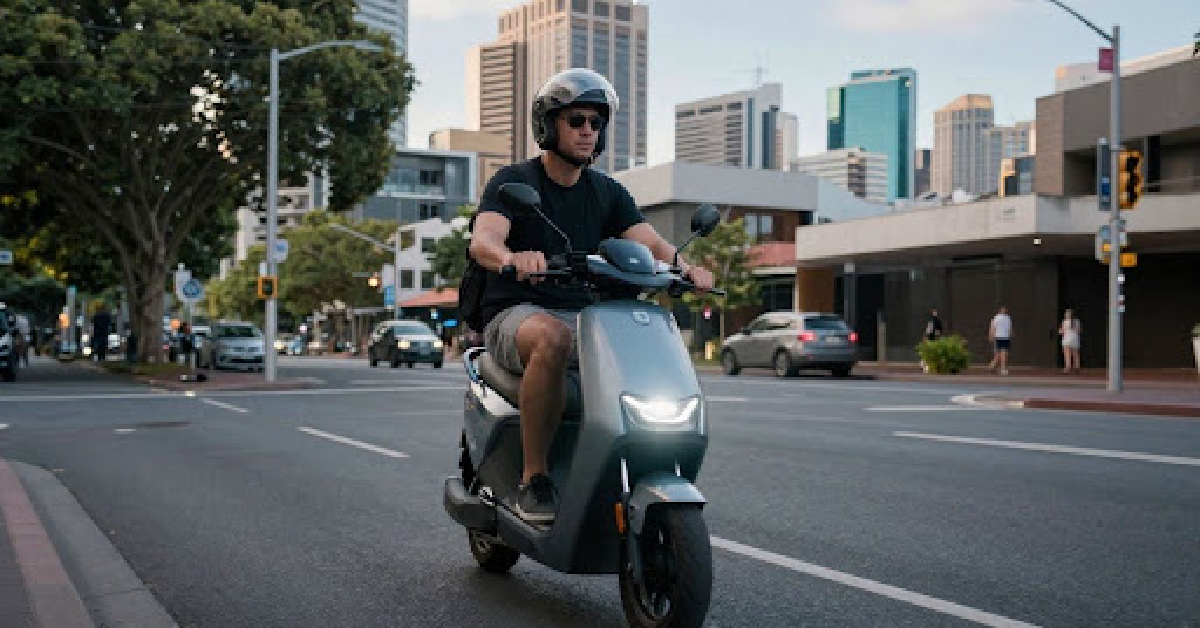
So, you’re wondering about e-scooters in NSW, right? It’s been a bit of a grey area for ages, hasn’t it? People are buying them, using them, but officially, they’re mostly a no-go on public paths and roads. The NSW government has been looking into it, and it seems like things are finally starting to move. Let’s break down what’s happening and when you might actually be able to ride your e-scooter legally without looking over your shoulder.
So, you’re curious about e-scooters in NSW, right? It’s a bit of a mixed bag at the moment. While you can easily buy one from a shop, riding it in public spaces like footpaths, bike lanes, or even roads is a no-go. Privately owned e-scooters are currently only allowed on private property. This means if you’ve got your own shiny new e-scooter, you can’t legally zip around your neighbourhood or commute to work on it in public areas.
Right now, the only e-scooters you’ll see legally cruising around are the ones you hire, often called ‘shared e-scooters’. These are permitted on footpaths, shared paths, and in bicycle lanes. It’s a bit confusing because you can buy them, but you can’t ride them freely. This situation has been in place for a while, with some limited trials happening in specific local council areas, but a statewide legal framework for private e-scooters is still in the works.
Here’s a quick rundown of the current situation for privately owned e-scooters:
The popularity of e-scooters has surged, with many people seeing them as a convenient way to get around, especially for short trips or connecting with public transport. However, the lack of clear regulations for private ownership has created a grey area for riders.
It’s not like the government hasn’t noticed e-scooters. In fact, there are an estimated 1.35 million personal mobility devices in NSW, and a good chunk of those are e-scooters used for commuting. The delay in full legalisation for private e-scooters boils down to safety concerns and the need to balance accessibility with risk. There have been worries about potential conflicts between e-scooters and pedestrians, especially on footpaths, and the general safety of riding them on roads alongside cars. Plus, figuring out the right rules for speed, power, and rider age takes time and careful consideration. It’s a complex issue with a lot of different viewpoints to consider before new laws can be put in place.
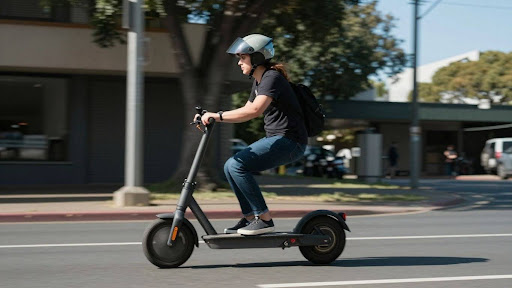
So, what’s actually going to change for e-scooters in NSW? The government’s been looking at this for a while, and it seems like they’re finally ready to put some rules in place. The big news is that e-scooters are set to become legal on shared paths and bike lanes on roads. This is a pretty significant shift from the current situation, where they’re basically only allowed on private property.
The proposed changes aim to bring some order to the growing number of e-scooters zipping around. Here’s a rundown of what’s on the table:
Safety is a big concern, and that’s reflected in the proposed speed and power limits. The government wants to make sure these devices are safe for everyone sharing our paths and roads.
There’s also a bit of a shake-up happening with e-bikes, which might indirectly affect the e-scooter conversation. The government is planning to revert the maximum legal power output for e-bikes to 250 watts, bringing NSW in line with other states. This follows some concerning incidents. They’re also looking at the definition of e-bikes to stop high-powered ones from being ridden illegally.
This is probably the most practical question on everyone’s mind. The plan is to allow e-scooters on:
What’s out? Footpaths are a no-go zone for e-scooters. This is to protect pedestrians, especially those who might be more vulnerable.
The push to legalise e-scooters comes as the number of these devices in NSW is estimated to be around 1.35 million. Many are already being used to connect with public transport, showing their potential to change how people get around. The government sees regulating them as a way to manage safety risks while still allowing people to use them.
It’s a bit of a balancing act, trying to let people use these convenient devices without causing problems for others. The current situation, where they’re mostly illegal to ride in public, isn’t really working with so many people using them anyway. This new framework aims to fix that, making it easier to manage behaviour and improve safety for everyone. You can find out more about the current laws regarding electric scooters in NSW here.
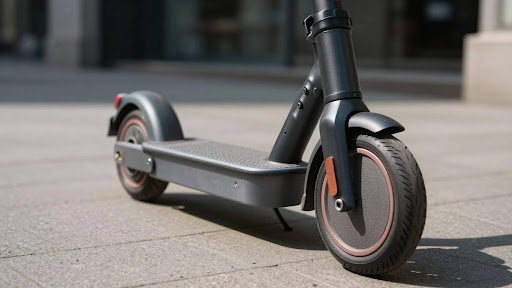
So, when will e scooters be legal NSW? It’s the million-dollar question, isn’t it? For ages, it’s felt like a bit of a grey area, with privately owned e-scooters mostly confined to private property. But things are definitely shifting. The NSW government has been looking closely at this, and while there isn’t a single, definitive date etched in stone for full legalisation across the board just yet, the proposed changes are a big step forward. We’re looking at a future where e-scooters will be a more integrated part of our transport mix.
While the exact rollout date for all proposed regulations is still being finalised, the government’s response to the parliamentary inquiry signals a clear intention to move forward. The new safety regulations for personal mobility devices, which include e-scooters, are set to take effect from February 1, 2026. This date is a key marker for when we can expect some of the new rules to be implemented, impacting how these devices are used and regulated. It’s not an instant switch, but it’s a concrete step.
Several things are shaping when and how e-scooters will become fully legal in NSW. The government is trying to balance the obvious benefits, like reducing car trips and making public transport more accessible, with genuine safety concerns. Think about it: there are an estimated 1.35 million e-micromobility devices in NSW already, and many are used illegally. The focus is on getting the rules right to prevent accidents and ensure everyone feels safe.
Here are some of the key considerations:
The push to legalise e-scooters in NSW is about more than just letting people ride them. It’s about creating a framework that supports sustainable transport options while prioritising the safety of riders and pedestrians alike. The goal is to move from a situation in which many ride illegally to one in which their use is regulated and understood.
It’s a complex puzzle, and getting it right takes time. The aim is to have a system that works for everyone, making it easier to get around without compromising safety. So, while we wait for the final details on when will e scooters be legal NSW, know that the wheels are turning, and a more regulated future for e-scooters is on the horizon. Keep an eye out for official announcements regarding the specific implementation dates as they become available.
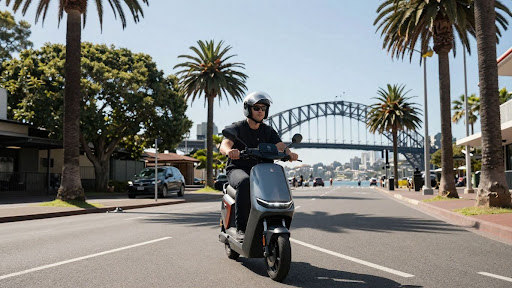
So, the big question on everyone’s lips is when exactly can we all zip around on e-scooters legally in NSW? While the exact date is still a bit up in the air, the government is moving forward with plans to make them legal on shared paths and bike lanes. This is a pretty big deal, considering how many of these things are already buzzing around the state – estimates put it at over 1.3 million personal mobility devices!
The main takeaway is that while they’ll be allowed on shared paths and roads with speed limits, they’ll still be a no-go on footpaths. This is all about balancing convenience and eco-friendliness while keeping pedestrians safe. It’s a tricky balance, for sure, but doing nothing just isn’t an option anymore.
Here’s a quick rundown of what you’ll likely need to keep in mind:
It’s also worth remembering that these new rules are coming into effect to try to curb some of the issues that have popped up, like unsafe riding and concerns about device modifications and battery fires. The government is looking at stricter regulations to make sure everyone stays safe.
The shift towards legalising e-scooters isn’t just about convenience; it’s a response to a changing transport landscape. With so many already in use, formalising their place on our paths and roads is seen as a way to manage their integration better and address safety concerns that have arisen from their widespread, albeit often unofficial, use. It’s about making sure these popular devices can be used responsibly by everyone.
So, keep an eye out for the official announcements. It looks like we’re heading towards a future where zipping around on an e-scooter is a perfectly normal and legal way to get from A to B in NSW.
Get ready for the new e-scooter season in NSW! We’re diving into what this means for everyone. Want to know more about the latest rules and how to ride safely? Visit our website for all the details and join the conversation.
Not really, unless you’re using a hired one in a specific trial area. If you own your own e-scooter, it’s only legal to ride it on private land. Riding them on public paths or roads is a no-go for now, though the government is planning to change this soon.
The NSW government is working on new rules to make e-scooters legal. While there isn’t an exact date set in stone yet, they’re aiming to have these changes in place fairly soon. Keep an eye out for official announcements!
Once the new laws kick in, you’ll likely be able to ride e-scooters on shared paths and bike lanes on roads. However, they’ll still be banned from footpaths where people walk. So, you’ll need to stick to areas designed for bikes and scooters.
Yes, there will be speed limits. The plan is to have a default speed limit of between 10km/h and 20km/h on shared paths. On roads with a speed limit of 50km/h, e-scooters will be capped at 20km/h. This is to keep everyone safe.
You’ll need to be at least 16 years old to legally ride an e-scooter in NSW. This is pretty standard across Australia, so it’s consistent with what most people expect.
Absolutely! Just like riding a bike, you’ll need to wear an approved helmet at all times when riding an e-scooter. It’s a must for your safety, and there will also be rules about having a bell and lights if you ride at night.