Why Is Kangaroo Island Called Island of the Dead
December 18, 2025

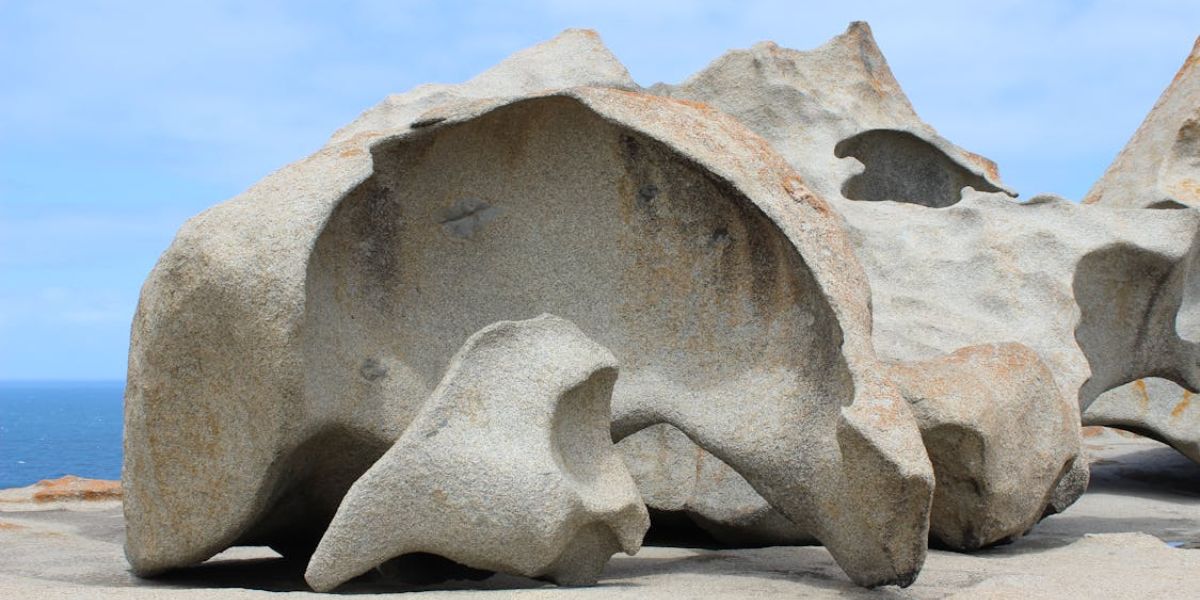
You might have heard Kangaroo Island called the ‘Island of the Dead’, and it sounds pretty spooky, right? But there’s a whole lot more to that name than just ghost stories. It actually goes way back to the island’s earliest days, long before any tourists showed up. We’re talking about Aboriginal history, how the land changed over time, and even some tricky waters. Let’s unpack why this beautiful spot got such a mysterious nickname.
It’s a name that conjures up images of mystery and perhaps a little bit of spookiness, isn’t it? The question of why is Kangaroo Island called Island of the Dead pops up quite a bit, and it’s got a few layers to it. It’s not just a random label; it’s tied to the island’s deep history and the beliefs of the people who first knew this land.
So, what are the main reasons for the name Kangaroo Island? Well, it boils down to a couple of key factors:
The name ‘Island of the Dead’ isn’t about a lack of life today, but rather a reflection of ancient spiritual beliefs and the harsh realities of its past, both for its original inhabitants and later seafarers. It speaks to a time when the island was seen as a final resting place for spirits and a place of significant loss.
It’s fascinating how a name can carry so much history, isn’t it? The story behind why is Kangaroo Island called Island of the Dead is a testament to the island’s unique past, blending Indigenous lore with the challenging experiences of early explorers and settlers.
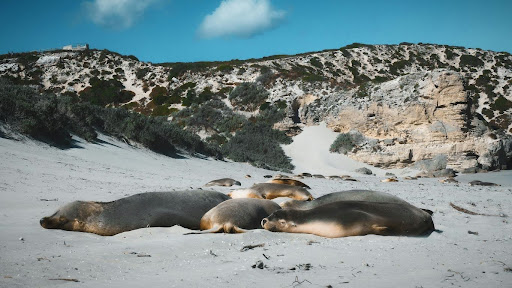
Long before any European ships sailed these waters, Kangaroo Island held a different name, one steeped in ancient Aboriginal beliefs. The Kaurna and Narungga peoples, among others, knew it as Karta Pintingga, which translates to ‘Island of the Dead’. This wasn’t a name given lightly; it reflected a deep spiritual connection and understanding of the land.
The story goes that after death, the spirits of the ancestors would journey to Karta Pintingga. This belief imbued the island with a profound sense of sacredness and mystery for mainland communities. It was seen as a place of passage, a final resting ground for souls, rather than a place for the living.
Evidence suggests that Aboriginal people inhabited the island for thousands of years. Archaeological finds, like stone tools and shell middens, point to a significant presence. However, a dramatic geological event changed everything.
This ancient name, Karta Pintingga, is a powerful reminder of the island’s deep Indigenous history, a history that predates European arrival by millennia. It speaks to a time when the land was understood through dreaming stories and spiritual journeys, a stark contrast to the rugged wilderness explorers like Matthew Flinders would later encounter. Understanding this original name is key to grasping the island’s true identity, a place that has held profound meaning for its traditional custodians for countless generations. It’s a name that whispers of ancient spirits and a land forever connected to the cycle of life and death, long before it became known as Kangaroo Island.
Long before any Europeans set foot on its shores, Kangaroo Island held a different name and a deeper meaning for the Aboriginal peoples of the mainland. Known as Karta Pintingga, which translates to ‘Island of the Dead’, this name wasn’t given lightly. It stems from ancient beliefs and Dreaming stories passed down through generations.
The core of the name’s origin lies in the spiritual journeys of ancestral spirits. According to Kangaroo Island legends and oral traditions from groups like the Kaurna and Narungga people, Karta Pintingga was seen as a destination for spirits after they departed the physical world. It was a sacred place, a final resting ground, imbued with a profound spiritual significance that set it apart from the living world.
This belief was reinforced by the island’s geographical separation from the mainland. Around 10,000 years ago, rising sea levels cut Kangaroo Island off, leaving it uninhabited by humans for millennia. This isolation, coupled with the spiritual beliefs, cemented its status as a place of the departed. Mainland communities, observing its emptiness and knowing its spiritual role, referred to it as the ‘Island of the Dead’.
Here’s a bit more on the beliefs surrounding Karta Pintingga:
The idea of an island being a place for spirits isn’t unique, but on Karta Pintingga, it became deeply woven into the cultural fabric of the surrounding Aboriginal nations. It wasn’t a place of fear, but one of reverence and spiritual importance, a quiet land where the echoes of the past resided.
These Kangaroo Island legends and beliefs paint a picture of a land deeply respected and understood through a spiritual lens, long before it was renamed by European explorers.
Long before any European ships spotted its shores, Kangaroo Island was a place of human life. We’re talking thousands of years back, way before Adelaide was even a thought. Archaeological finds, like stone tools and heaps of shells (called middens), show us that Aboriginal people lived here for a really, really long time. They were hunters and gatherers, using everything the land and sea offered.
The island’s Aboriginal name, Karta Pintingga, meaning ‘Island of the Dead’, hints at a deep spiritual connection and a history that predates European arrival by millennia.
Around 10,000 years ago, something big happened: the sea levels rose. This separated Kangaroo Island from mainland South Australia, cutting off the people who lived there. It’s thought that over time, this isolation meant the island became uninhabited by its original people. This event is a key part of the island’s history, and it’s why mainland Aboriginal communities referred to it as the ‘Island of the Dead’.
Here’s a bit of what we know about the ancient occupation:
The story of Kangaroo Island’s first people is one of deep connection to country, followed by a profound geographical change that led to isolation. This ancient past is a vital, though often overlooked, chapter in the island’s long history, predating even the notorious Kangaroo Island shipwrecks of later centuries.
It’s a stark reminder that the island’s ‘dark past’ isn’t just about shipwrecks and hardship; it also includes the story of a people whose connection to the land was severed by nature itself.
You know, it’s pretty wild to think about how much the land itself can shape a story. Kangaroo Island wasn’t always an island, you see. Thousands of years ago, back when the world was a bit different, it was actually connected to mainland South Australia. But then, as the last ice age wrapped up and the sea levels started creeping up, that connection just… vanished. Around 10,000 years ago, the rising waters carved out the Investigator Strait and Backstairs Passage, effectively cutting Kangaroo Island off from the rest of the continent.
This geographical shift is a massive part of why it got that spooky name, Karta Pintingga, or the “Island of the Dead.” Imagine being on the mainland and looking across the water to this land that used to be reachable, but now isn’t. For the Aboriginal peoples of the mainland, like the Kaurna and Narungga groups, this newly isolated land became a place of mystery. It was seen as a place where spirits might go, a land cut off from the living world.
Here’s a quick rundown of the geographical changes:
This physical separation meant that any Aboriginal people living on the island at the time were cut off. Over time, the archaeological record shows that the island became uninhabited by humans, reinforcing its status as a place apart. It’s a stark reminder of how powerful geological events can be in shaping not just landscapes, but also the beliefs and stories of the people who live near them. The island’s isolation is a key piece of the puzzle when trying to understand the Indigenous history of Kangaroo Island.
The sheer act of being cut off by water, turning a connected land into a solitary island, gave it a profound spiritual weight. It wasn’t just land anymore; it was a place separated by nature’s powerful forces, a concept that resonated deeply in traditional beliefs.
So, when you look at Kangaroo Island today, remember that its very geography played a huge role in its ancient name and the stories that followed. It’s a place where the land’s transformation directly influenced its cultural identity.
So, we’ve heard about Karta Pintingga, the Aboriginal name meaning ‘Island of the Dead’. It’s a name steeped in ancient beliefs and the island’s separation from the mainland. But then along came the Europeans, and things got a bit mixed up, as they often do.
Captain Matthew Flinders, sailing for the British, rocked up in 1802. His crew, apparently starving for fresh meat after ages at sea, stumbled upon loads of kangaroos. Big mobs of them! So, naturally, they slapped the name ‘Kangaroo Island’ on it. Pretty straightforward, I guess, if you’re really hungry. Flinders wasn’t the only one exploring around then, though. A few months later, the French explorer Nicolas Baudin sailed by. He and Flinders apparently had a friendly chat, even though their countries were at war – go figure. Baudin spent a good chunk of time mapping the island and even gave some of the coastlines French names, like Cape du Couedic and Vivonne Bay. He also left behind some pigs and chickens, thinking he was doing future explorers a favour. Those pigs, by the way, are still around and are a bit of a unique breed now.
It’s interesting how these two names, Karta Pintingga and Kangaroo Island, tell such different stories. One speaks of ancient spirits and a land set apart, while the other is all about a lucky encounter with some marsupials. It really highlights the clash of cultures and perspectives that happened when Europeans arrived in Australia. The traditional custodians, like the Ramindjeri people, knew this land as Karta long before Flinders even set foot here. Their connection to Karta, the island, is deep and goes back thousands of years.
Here’s a quick rundown of the name changes:
The shift from Karta Pintingga to Kangaroo Island wasn’t just a simple name change; it represented a profound shift in who held power and whose stories were told. It’s a reminder that the land has a history far richer and older than the European records often suggest.
So, while we often refer to it as Kangaroo Island today, remembering its original name, Karta Pintingga, gives us a much deeper appreciation for its complex past and the layers of meaning embedded in its very name.
The name Karta Pintingga, meaning ‘Island of the Dead’, isn’t just a spooky label; it’s deeply woven into the spiritual fabric of the local Aboriginal peoples, particularly the Kaurna and Ngarrindjeri nations. For thousands of years, long before any European set foot here, this island held a profound significance in their belief systems. It was seen as a place where the spirits of the departed journeyed after life on Earth.
This belief wasn’t about fear, but about respect and the natural cycle of existence. The island’s isolation, especially after rising sea levels cut it off from the mainland around 10,000 years ago, likely reinforced this idea. It became a distinct realm, a final resting place or a spiritual waypoint.
Here’s a bit more on what that meant:
The idea of Karta Pintingga as the ‘Island of the Dead’ speaks to a worldview where the spiritual and physical realms are closely connected. It wasn’t necessarily a place of doom, but a significant part of the spiritual landscape, holding the echoes of ancestors and the continuation of life in another form.
While European explorers and settlers later renamed it Kangaroo Island, the original Aboriginal name and the lore behind it remain a vital part of the island’s deep history. It’s a reminder that the land has stories stretching back millennia, stories that shaped the identity of this place long before it became a tourist destination.
It’s easy to get caught up in the spooky name, isn’t it? “Island of the Dead.” Sounds like something out of a horror flick. But let’s clear a few things up because the reality is far more interesting, and frankly, less about ghosts and ghouls than you might think.
One big misconception is that the island was always called the “Island of the Dead” by everyone, including the first Europeans who rocked up. That’s not quite right. The name Karta Pintingga, meaning “Island of the Dead,” comes from the local Aboriginal people, specifically the Kaurna and Narungga groups. They saw it as a place where spirits might travel, a sacred, rather than a cursed, destination. It wasn’t a place of fear for them, but one of spiritual significance.
Another idea that floats around is that the island was just… empty. Like, nobody was there for ages, and that’s why it got the name. While it’s true that rising sea levels cut the island off from the mainland about 10,000 years ago, and the original inhabitants eventually disappeared from the archaeological record, it doesn’t mean it was a barren wasteland. Evidence like shell middens and stone tools shows people did live there for a very long time. It’s more about the isolation and the spiritual beliefs of mainland groups observing this separated land.
The name isn’t about a lack of life, but rather a connection to the spirit world and the profound sense of isolation that followed the land bridge’s disappearance. It speaks to a deep cultural understanding of place and passage.
Then there’s the whole shipwreck angle. People sometimes link the “Island of the Dead” name directly to the many shipwrecks that have happened around its coast. While the waters are notoriously dangerous, and the shipwrecks are a tragic part of the island’s history, this isn’t the origin of the Aboriginal name. The maritime disasters are a more recent, European-era problem, not the ancient reason for Karta Pintingga.
So, to sum it up:
It’s a name that carries weight, for sure, but it’s more about ancient beliefs and the island’s unique geography than anything truly sinister.
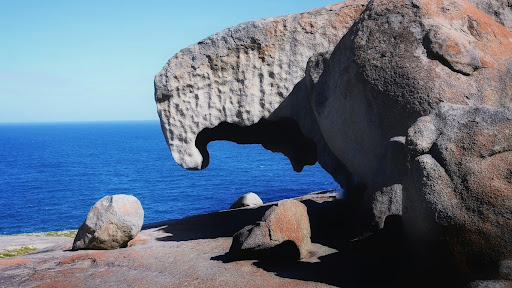
Digging into Kangaroo Island’s past reveals some pretty fascinating stuff, giving us clues about the people who lived there ages ago. When archaeologists first started poking around back in the early 1900s, they found stone hammers near Rocky River. This was a big deal because it showed that Aboriginal people had been living on the island for a really long time – we’re talking about 16,000 years ago, at least.
What’s really interesting is that these finds, like shell middens (basically ancient rubbish dumps full of shells and bones) and old campfire sites, paint a picture of a busy community. They also found ‘industrial sites’ where stone tools were being made, with bits of stone left lying around. It suggests people were living, working, and surviving here for millennia.
The evidence suggests that the original inhabitants didn’t just vanish overnight. Their presence is marked by the everyday items they left behind, telling a story of a long and established connection to the land.
We’ve also found cave shelters that might have been used for protection from the weather. It’s thought that the people who lived here, sometimes called the Kartan people, eventually left the island around 2,000 years ago, though the exact reason why is still a bit of a mystery. It’s a stark reminder of how populations can shift and change over vast stretches of time.
Here’s a quick look at what’s been found:
These discoveries aren’t just old rocks and shells; they’re tangible links to a lost chapter of Kangaroo Island’s history, hinting at a vibrant past that eventually faded, contributing to the island’s enigmatic reputation.
It’s funny how a name, even one with such a heavy past, can start to mean different things over time, isn’t it? For Kangaroo Island, the old Aboriginal name, Karta Pintingga – the ‘Island of the Dead’ – isn’t just a historical footnote anymore. These days, it’s become this really intriguing part of the island’s identity, drawing people in for all sorts of reasons.
For many visitors, the name sparks curiosity. They arrive expecting rugged beauty, maybe some wildlife, but the ‘Island of the Dead’ tag adds a layer of mystery. It makes them want to dig a bit deeper, to understand the stories behind it, rather than just seeing it as another pretty holiday spot. It’s like the name itself is a gentle nudge to explore the island’s ancient past and its spiritual significance.
This historical weight also influences how the island is presented today. Think about the eco-lodges and nature retreats popping up. They often lean into the island’s wild, untamed feel, which kind of echoes that sense of isolation and ancientness that the ‘Island of the Dead’ name implies. It’s not about being morbid, but about connecting with a place that feels untouched by time.
Here’s a look at how the name plays out now:
The name Karta Pintingga, once a solemn marker of separation and spirit, now serves as a powerful reminder of Kangaroo Island’s enduring connection to its ancient past. It’s a name that invites contemplation, respect, and a deeper appreciation for the layers of history that make this island so special.
It’s a bit of a balancing act, really. You’ve got this name that speaks of ancient spirits and a land cut off, but today, it’s also a place buzzing with life, conservation efforts, and people keen to experience its natural wonders. The ‘Island of the Dead’ isn’t about what’s gone, but about the deep roots of what remains.
So, when you hear ‘Island of the Dead’, think ancient spiritual beliefs and a sacred place, not a place of recent tragedy. It’s a name that speaks to a much older, deeper history than the shipwrecks or early colonial tales.
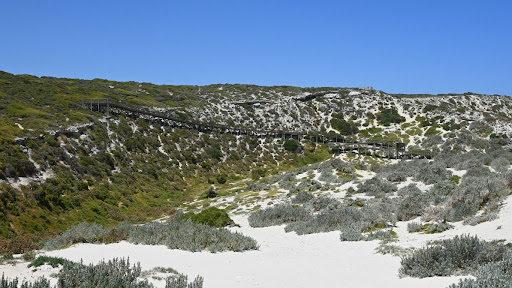
So, why all the fuss about Kangaroo Island being called the ‘Island of the Dead’? It’s not some spooky ghost story cooked up for tourists, though there’s a bit of that, too. The real reason goes way, way back, long before any Europeans rocked up.
For thousands of years, this place was home to Aboriginal people. We’re talking over 16,000 years, which is pretty mind-boggling when you think about it. They lived here, hunted, gathered, and left their mark with tools and shell middens – basically ancient rubbish dumps that tell us a lot.
Then, about 10,000 years ago, something big happened. The sea levels rose, and poof! Kangaroo Island got cut off from the mainland. Imagine being on an island, and suddenly, there’s no way back. For the Aboriginal people who were living there at the time, this isolation meant the island eventually became uninhabited.
This separation wasn’t just a geographical event; it fundamentally changed the island’s status in the eyes of mainland Aboriginal communities. It became a place apart, a land that held a different kind of significance.
Mainland groups, like the Kaurna and Narungga people, started referring to it as ‘Karta Pintingga’, which translates to ‘Island of the Dead’. It wasn’t necessarily a place of fear, but more a spiritual resting place. Oral traditions suggest it was believed to be where the spirits of the deceased travelled after they passed on. So, it was a sacred name, tied to beliefs about the afterlife.
It’s a bit of a contrast to how Captain Matthew Flinders named it ‘Kangaroo Island’ in 1802, after his crew had a bit of a feast on the local roos. One name speaks to ancient spiritual beliefs and a profound geographical shift, the other to a practical encounter with wildlife. The Aboriginal name, Karta Pintingga, holds a deeper, older story of connection, separation, and spiritual significance.
Here’s a quick rundown of the key points:
It’s a reminder that the island’s history is layered, with stories stretching back millennia, long before any European boots hit the sand.
Ever wondered about the spooky name “Island of the Dead”? It sounds like something from a ghost story, doesn’t it? Well, the real reason behind this eerie title is actually quite fascinating and has nothing to do with actual ghosts. It’s a tale rooted in history and art, not ghouls. Want to uncover the full story and learn what inspired this chilling moniker? Dive deeper into the history on our website!
FAQs — Common Questions
Right then, let’s clear up some of the common head-scratchers about Kangaroo Island’s rather dramatic nickname, ‘Island of the Dead’. It’s a name that pops up a fair bit, and honestly, it sounds a bit spooky, doesn’t it?
Basically, the name comes from the traditional Aboriginal owners, particularly the Kaurna people, who called it ‘Karta Pintingga’. This translates to ‘Island of the Dead’. It wasn’t because people were dying there in droves back then, but more about spiritual beliefs. They believed the spirits of the deceased journeyed to the island after they passed on. So, it was a sacred place, a sort of spiritual resting ground, rather than a place of doom.
Yep, absolutely. Evidence like old stone tools and piles of shells (called middens) shows that Aboriginal people did live on Kangaroo Island. This was thousands of years ago, way before the sea levels rose and cut it off from the mainland. It’s thought they might have been there as far back as 16,000 years ago, and possibly only left around 2,000 years ago. After the island became separated, it seems to have been left uninhabited for a long stretch.
That’s a common thought, and while the waters around Kangaroo Island have definitely seen their fair share of shipwrecks – we’re talking over 50 since Europeans started arriving – this isn’t the origin of the ‘Island of the Dead’ name. The name predates the European maritime disasters by a long shot. The shipwrecks just add another layer of historical drama to the island’s story, making its coastline a bit of a graveyard for vessels, but that’s a separate historical chapter.
Yes, the spiritual significance of Karta Pintingga remains important. While the island may have been uninhabited for a long period after the sea separated it, the traditional naming and the beliefs associated with it are part of the deep cultural heritage of the region’s Aboriginal peoples. It’s a reminder of the ancient connection to Country and the spiritual landscape.
That’s a much more recent story. Captain Matthew Flinders, the British explorer, is credited with giving it the name ‘Kangaroo Island’ back in 1802. His crew were pretty hungry after being at sea, and they found loads of kangaroos on the island. They managed to hunt a good number of them, which provided them with fresh meat. So, he named it after the most prominent animal they encountered – kangaroos!


