Australian 1966 Round 50 Cent Coin Value
January 21, 2026

For Australian collectors, the 1966 round 50 cent coin is a bit of a legend. Condition is a major factor in determining the round 50 cent coin value, with uncirculated coins being worth more. This guide is all about that coin, its story, and what it might be worth today. We’ll look at why it’s so special and what makes it different from the coins we use now.
Figuring out what one of these coins is worth involves looking at both its metal value and its collector appeal. It’s not just about the silver; it’s about the story and the demand from people who want to own a piece of this unique past.
Australia’s move to decimal currency in 1966 was a pretty big deal, and the round 50-cent coin was right there at the center of it all. This wasn’t just any coin; it was made with a good chunk of silver – 80% silver, to be exact, mixed with 20% copper. This made it the last circulating coin in Australia to contain actual silver. When it first came out on February 14, 1966, people liked it. It looked nice, and hey, it was silver!
But here’s where things got interesting. Not long after these coins started showing up in pockets and tills, the price of silver on the world market started climbing. Pretty quickly, the silver inside the coin was worth more than the 50 cents it was supposed to be.
This situation meant the round silver 50-cent coin couldn’t stick around for long. It was a short but memorable run.
The rapid rise in silver prices turned a new piece of currency into a valuable commodity, leading to its swift withdrawal from circulation and cementing its place in Australian numismatic history.
Because of this, the government had to pull the plug on the silver version and bring out a new, different 50-cent coin a few years later. But that original round, silver one? It became a collector’s item almost immediately, prized for its history and, of course, that silver content.
This coin represents a unique moment where a coin’s metal value nearly matched its face value, a situation that wouldn’t happen again with Australian currency.
Think about it – most coins you handle these days are made of base metals like copper and nickel. They’re worth their face value and not much more. The 1966 round 50 cent coin, however, was different. Its silver content meant its worth as bullion was constantly fluctuating with the global silver market. This created a bit of a headache for the government, as the coin’s intrinsic value started to creep up past its face value.
Here’s a quick rundown of what makes it special:
Because of this silver content and its short time in circulation before being replaced by a cupro-nickel, 12-sided version, these coins became quite sought after. People started saving them, not just as a memento, but also for their silver. It’s this combination of historical significance and precious metal content that really makes the 1966 round 50-cent coin stand out in the world of Australian coins.
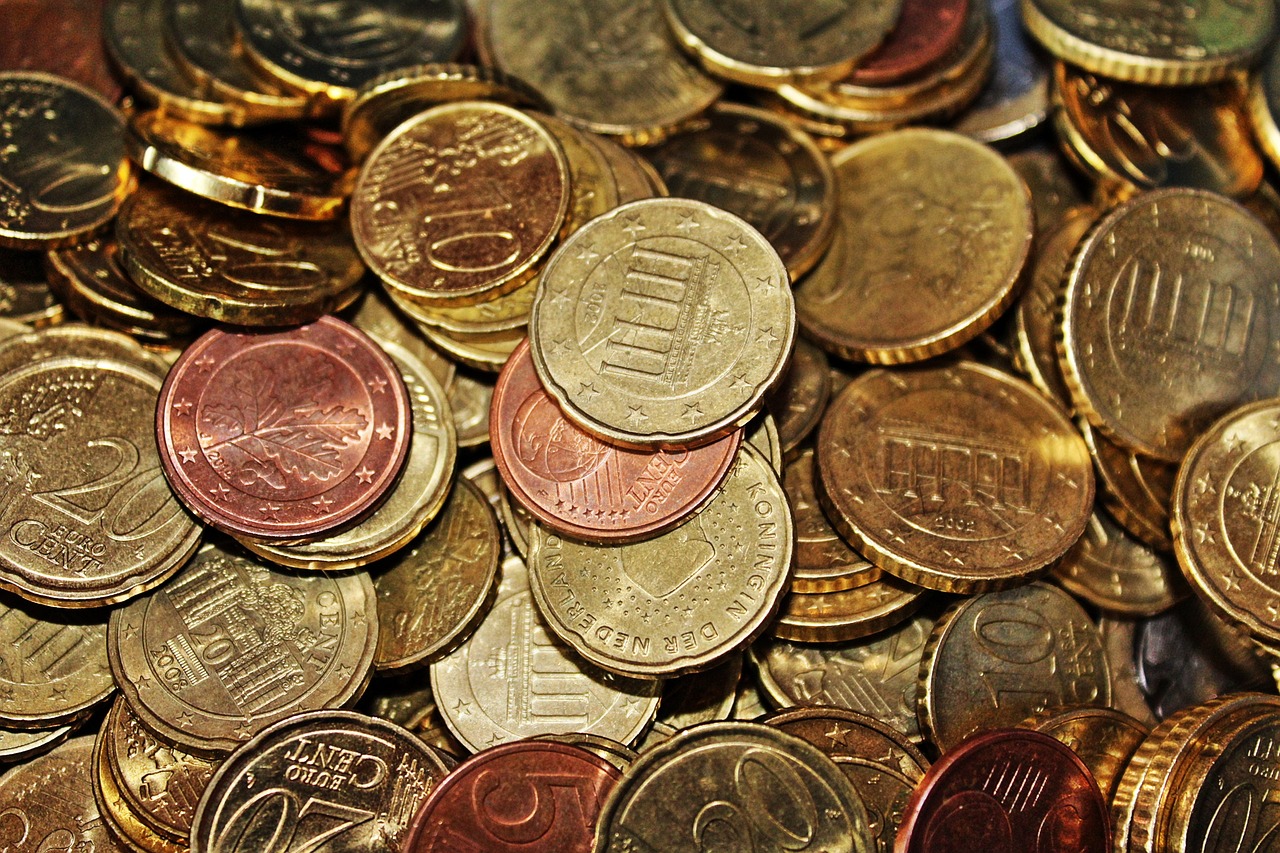
When you’re looking at the 1966 round 50-cent coin, a few key details really stand out. These aren’t just any old coins; they have a specific makeup that collectors find interesting. The composition and design are what make this coin a bit of a legend in Australian numismatics.
Let’s break down what makes these coins tick:
Here’s a quick rundown in table form:
| Specification | Detail |
| Year | 1966 |
| Metal | 80% Silver, 20% Copper |
| Weight | 13.28g |
| Diameter | 31.5mm |
| Obverse | Queen Elizabeth II |
| Reverse | Australian Coat of Arms (Stuart Devlin design) |
It’s important to remember that this round shape and silver content were pretty unique for Australian coinage at the time. This combination is a major reason why people are still talking about these coins today, long after they stopped being used for everyday purchases.
When you’re looking at a 1966 round 50-cent coin, its value isn’t just one simple number. It’s really a mix of two main things: how much silver is in it, and how interesting it is to collectors for reasons beyond just the metal. Think of it like an old car – it has scrap metal value, but if it’s a classic model in good shape, it’s worth way more to someone who loves vintage vehicles.
The silver content is a big part of the story. These coins were made with 80% silver, which means they have a definite melt value. This is the baseline – what the coin is worth if you just treated it as raw silver. This value changes daily with the global silver market. So, if silver prices go up, the minimum value of your round 50-cent coin goes up, too, just based on the metal.
Here’s a quick look at the specs that matter for silver value:
But then there’s the numismatic worth. This is where things get a bit more subjective and exciting for collectors. It’s about the coin’s history, its condition, how many are still around, and whether it has any special features or errors. A coin that’s super shiny and looks like it just came from the mint will always be more desirable than one that’s been scratched up or worn down.
The 1966 round 50-cent coin is a bit of a unique case because its silver value quickly surpassed its face value, leading to its withdrawal. This event itself adds to its story and collector appeal, making it more than just a piece of silver.
So, you’ve got the metal value, which is pretty straightforward, and then you have the collector value, which can really push the price higher. Most of the time, especially for coins in average condition, the collector value will be higher than the pure silver melt value. It’s this combination that makes figuring out the true worth of these coins a bit of an art.
So, you’ve got one of those old, round 50-cent coins from 1966. Pretty neat, right? Beyond just being a cool piece of history, these coins have a tangible value tied to the silver they’re made of. This is often called the ‘bullion value’.
The core thing to remember is that these coins are mostly silver. Specifically, they’re made of an 80% silver alloy. This means their value isn’t just about what’s stamped on them, but also about the current price of silver on the world market. When silver prices go up, the melt-down value of your round 50-cent coin goes up, too.
Here’s a quick breakdown of what goes into that bullion value:
To figure out the approximate bullion value, you can do a simple calculation. Take the current price of an ounce of silver and divide it by the number of troy ounces in a pound (which is 14.58 for troy ounces). Then, multiply that by the amount of silver in your coin (in ounces). It sounds complicated, but some online calculators make it easier.
Because the price of silver changes, the bullion value of your 1966 round 50-cent coin isn’t fixed. It’s a moving target, directly linked to global commodity markets. This is why checking the latest silver prices is key if you’re interested in its melt value.
For example, if silver is trading at $30 per troy ounce, and each coin has roughly 0.3 ounces of pure silver, the bullion value would be around $9 per coin. Keep in mind, this is just the metal value. The coin might be worth more as a collector’s item, but the bullion value sets a floor price.
You know, it’s pretty wild how the price of silver can totally change how much a coin is worth. For the 1966 round 50-cent coin, this is a huge deal. Back when they first came out, they were made with a good chunk of silver – 80% to be exact. That meant they had a decent amount of actual silver value built right in.
The big thing to remember is that the value of these coins isn’t just about how rare they are or how cool they look; it’s also directly tied to what silver is selling for on the market right now. If silver prices shoot up, the metal inside your old 50-cent coins suddenly becomes worth more. This can push the coin’s value up, even if it’s just a regular, circulated one.
Think of it like this:
Here’s a rough idea of how the silver content plays a role:
| Component | Percentage | Weight (approx.) | Silver Content (approx.) |
| Silver | 80% | 10.62g | 8.5g |
| Copper | 20% | 2.66g | N/A |
So, if you’re looking at your 1966 round 50-cent coins, keeping an eye on the silver price is pretty smart. It gives you a baseline for what the coin is worth just for its metal content, and then you can see how collector demand adds to that. It’s a bit of a balancing act, really.
It’s fascinating how economic forces can impact something as seemingly simple as an old coin. What was once just pocket change can transform into a valuable asset, not just for its history, but for the precious metal it contains. This dynamic means the value isn’t static; it ebbs and flows with global markets, making the hobby of collecting these coins even more interesting.
So, you’ve got one of those old, round 50-cent coins from 1966. Cool! What’s it worth if it’s been floating around in pockets and cash registers for years? Well, it’s not going to make you rich overnight, but it’s definitely worth more than face value, mostly because of the silver inside.
Most of the time, a circulated 1966 round 50-cent coin will fetch somewhere between $10 and $30 AUD. This range can jump up a bit if the coin is in better shape or if the price of silver is having a good day. Remember, these coins are made of 80% silver, so their melt value plays a big part. For instance, a single 1966 50c round has a melt value of approximately $46.01 AUD.
Here’s a quick rundown of what influences the price of a circulated coin:
It’s important to know that these are just typical figures. You might find one that sells for a little less or a bit more, depending on the buyer and the current market. If you’re looking to get a precise idea, checking out recent sales on collector sites or talking to a coin dealer is a good move. You can also find current melt values for these coins online, which gives you a baseline for what they’re worth just for the metal content. Collecting round 50-cent coins can be a fascinating hobby, and understanding these values is part of the fun.
Keep in mind that the ‘circulated’ label covers a wide spectrum. A coin that’s only seen a little bit of action will always be worth more than one that’s been heavily worn down. The details on the Queen’s profile and the ship are usually the first things to show significant wear.
Okay, so you’ve got one of those old, round 50-cent coins from 1966. If yours looks like it just came off the minting press, you’re in for a treat. These coins, when they’re in top-notch condition, get a serious value boost. We’re talking about coins that have zero scratches, no wear on the high points of the design, and still have that original mint shine. These are the ones collectors really hunt for.
The difference between a circulated coin and a truly uncirculated one can be huge, sometimes multiplying the value several times over. It’s all about preserving that original state. Think of it like a brand-new car versus one that’s been driven for years – the condition matters a lot.
Here’s a general idea of how condition impacts value:
When you’re looking at uncirculated or high-grade coins, you’re not just paying for the silver anymore. You’re paying for the history, the rarity of finding one in this condition, and the sheer beauty of a coin that’s been perfectly preserved. It’s a piece of history that looks as good as the day it was made.
Finding these pristine examples often means looking through collections or dealing with specialized dealers. Remember, the melt value of the silver is still there, around $30.24 based on current prices, but the numismatic value for a perfect coin can easily go much, much higher. It’s a whole different ballgame compared to a coin that’s been jingling around in pockets for decades.
When you’re looking at the value of a 1966 round 50-cent coin, condition is a really big deal. It’s not just about whether it’s made of silver; how well it’s been kept over the years makes a huge difference. Think of it like a used car – a car that’s been babied and kept in a garage will be worth more than one that’s been driven hard and left out in the rain, right? Coins are kind of the same way.
The better the condition, the higher the value, generally speaking.
Collectors and dealers use a grading system to describe a coin’s condition. It’s a bit like a report card for the coin. Here’s a simplified look at what they mean:
It’s not just about wear, either. Things like:
The difference between a coin graded as ‘Very Fine’ and one graded as ‘Uncirculated’ can be hundreds, if not thousands, of dollars. This is because uncirculated coins are much harder to find, especially for a coin with the history of the 1966 round 50-cent piece. Many of these coins were melted down, so finding one that has survived in top condition is a real find. The population reports for these coins, like those available from PCGS, show just how few exist in higher grades.
So, when you’re checking out a 1966 round 50-cent coin, take a good look. Is it shiny and bright, or dull and marked up? Are the details sharp, or are they worn down? These observations are key to figuring out its real worth beyond just the silver content. You can find more information on coin populations and grading at places that track Australian 50-cent coins.
While most collectors focus on the standard 1966 round 50-cent coin, a few special cases can really boost a coin’s worth. These aren’t your everyday finds, mind you. We’re talking about minting errors or unusual varieties that make a coin stand out from the crowd.
Finding these can be a bit like striking gold, and they’re what make coin collecting so exciting. The thrill of discovering something truly unique is a big part of the hobby.
Here are some things that can make a 1966 round 50-cent coin more than just a silver piece:
It’s important to remember that not every little imperfection is a valuable error. Sometimes, minor marks are just part of the normal minting process or damage that happened after the coin left the mint. You need to be sure it’s a genuine minting mistake to see a significant value increase.
When you’re looking at a coin that you suspect might be an error, it’s always a good idea to compare it to known examples. Reputable coin dealers or numismatic societies can be a great resource for identifying these special pieces. They can help you tell if that little anomaly is just a flaw or a genuine rarity that collectors would pay extra for.
So, you’ve got a few of those old, round 50-cent coins and you’re wondering what they’re actually worth? It’s not always straightforward, but there are definitely places to get a good idea of the current round 50 cent coin value.
First off, remember that the value isn’t just about what it looks like. The silver content plays a big part, and that fluctuates with the market. The melt value of three 1966 50c rounds is approximately $137.62 AUD, but that’s just the base. The numismatic value, or collector value, can push that price much higher depending on the coin’s condition and rarity.
Here are some good spots to check:
When you’re looking at prices, always try to compare your coin to others in similar condition. A coin with scratches will be worth significantly less than one that looks like it just came from the mint, even if they’re both from 1966. This is why understanding grading is so important for determining the true round 50 cent coin value.
Don’t forget to factor in the silver price when you’re researching the round 50 cent coin value. You can find live silver prices online, which will help you calculate the minimum melt value. For a more precise valuation of your specific round 50-cent coin, consulting with a professional numismatist is always a good idea.
Before you get too excited about the potential value of your 1966 round 50-cent coin, it’s a good idea to make sure it’s the real deal. Counterfeits, while not super common for this particular coin, do pop up now and then, and you don’t want to be fooled. Plus, knowing it’s authentic is the first step to figuring out its actual worth.
So, what should you look for? Here are a few pointers:
Remember, the 1966 round 50-cent coin was only minted for one year. This makes it distinct. If you see a coin that looks too perfect, or conversely, looks like it’s made of cheap, shiny metal, be suspicious. The silver content gives these coins a specific look and feel that’s hard to replicate perfectly.
If you’re still unsure after a visual inspection, consider getting it checked by a professional coin dealer or a numismatist. They have the tools and experience to spot even the most convincing fakes. It’s better to be safe than sorry when you’re trying to determine the true value of your collection.
So, you’ve got some of those old, round 50-cent coins from 1966. That’s pretty neat! Now the big question is, what do you do with them? Do you cash them in for their silver value, or do you hold onto them hoping they’ll be worth more later as collector’s items? It’s a bit of a balancing act, really.
First off, let’s talk about the two main ways these coins get their value. You’ve got the bullion value, which is basically what the silver inside the coin is worth on the market today. Then there’s the collector value, or numismatic value, which is what someone might pay for the coin because of its history, rarity, and condition, regardless of the silver price.
Here’s a quick look at how they stack up:
Deciding whether to sell or hold really depends on your goals and what you think the future holds for both silver prices and the demand for these specific coins. It’s not always a simple ‘yes’ or ‘no’ answer.
Think about it this way:
Ultimately, if you’re looking for a quick return and the silver price is good, selling might be the way to go. But if you’re patient and believe the collector demand for these unique Australian coins will grow, holding onto them could pay off down the road. It’s a bit of a gamble, but that’s part of the fun of collecting, right?
So you’ve got a few of these 1966 round 50-cent coins, maybe even a really nice one. That’s pretty cool! Now, the big question is, how do you keep them in good shape? It’s not rocket science, but you do need to be a bit careful. Proper storage is key to preserving their value, whether it’s for their silver content or their collector appeal.
Think about it – these coins have already been around for ages. The last thing you want is for them to get damaged on your watch. Humidity, fingerprints, and rough handling can all take a toll. You want to keep them looking as good as possible, right?
Here are a few ways to store your coins:
When you’re handling the coins, try to touch them only by the edges. Your fingers have oils and acids that can damage the coin’s surface over time. Using cotton gloves or a soft cloth is a good idea, especially for coins in top condition.
Avoid storing your coins in PVC plastic holders. Over time, PVC can break down and release chemicals that cause a sticky green residue on the coins, which is really hard to remove and can significantly lower their value. Always opt for archival-quality, inert materials.
Keep your stored coins in a stable environment. Extreme temperature fluctuations or high humidity can cause problems. A dry, cool place is best. If you live in a humid area, you might even consider using silica gel packets in your storage containers to absorb excess moisture. It might seem like a lot of fuss, but for coins that could be worth a decent amount, taking these steps is just common sense.
So, you’ve got one of those old, round 50-cent coins from 1966. It’s easy to get caught up in just the silver price, but there’s more to it than that for collectors. The real value is a mix of its silver content, how many are left, and how many people actually want one.
Think about it like this:
Here’s a quick look at how these factors play out:
| Factor | Impact on Value |
| Silver Price | Direct correlation: higher silver = higher melt value |
| Coin Condition | Excellent condition commands significant premiums |
| Rarity | Fewer coins available generally increase desirability |
| Collector Demand | Fluctuates, but strong demand pushes prices higher |
It’s not just about the metal, though. The history behind the coin, its place in Australia’s transition to decimal currency, adds a layer of numismatic appeal. Some collectors are drawn to the story as much as the silver. For instance, the melt value of three 1966 50c rounds is approximately $137.62 AUD, with a single round valued at around $46.01 AUD, but a rare, uncirculated specimen could fetch much more based purely on its collector status.
The journey of the 1966 round 50 cent coin from a piece of everyday change to a sought-after collectible is a fascinating tale. It highlights how economic shifts and the inherent value of materials can transform ordinary objects into items of historical and financial interest. Understanding this interplay is key to appreciating its true worth beyond just the silver it contains.
So, when you’re looking at your 1966 round 50 cent coin, remember it’s a combination of its metallic worth and its story that gives it its true collector value. Don’t just focus on the silver price; consider the whole picture.
Curious about the real worth of your 50-cent coins? Many collectors wonder about the value of these special coins. If you’re looking to understand how much your 50-cent pieces might be worth, we’ve got the details you need. Dive deeper into the world of coin collecting and discover the secrets behind valuable coins. Visit our website to learn more about understanding true round 50 cent coin value for collectors and find out if you have a hidden treasure!
The value based on its silver content changes with the market price of silver. As of recent prices, a single coin’s silver value is around $46.01 AUD, but this can change daily.
For collectors, the value can range from about $10 to $30 for coins that have been used (circulated).
Yes, absolutely. Coins that look brand new, with no scratches or dullness, are worth a lot more than coins that show signs of wear and tear from being used.
While most 1966 round 50-cent coins are valuable due to their silver, errors during minting or unique mistakes can make certain coins much rarer and therefore more valuable to collectors.
You can check prices on websites that sell coins, coin-collecting forums, or by asking a reputable coin dealer. The price often depends on both the silver market and collector demand.
Authentic coins will have the correct weight, size, and silver content. It’s best to compare it with known genuine examples or have it checked by an expert if you’re unsure.
It depends on why you have it. If you’re interested in the silver value, you might sell when silver prices are high. If you’re a collector, keeping it might be better as its numismatic value could increase over time.
To keep them in good condition, store them in protective holders, like plastic sleeves or albums designed for coins. Keep them in a dry place away from extreme temperatures to prevent damage or tarnishing.